When you're looking to give your furniture a little upgrade, don’t overlook the legs—you’d be surprised how much they can change the game. As the well-known furniture designer Emily Henderson puts it, “Choosing the right legs isn’t just about looking good; they also give your piece the support and stability you need for everyday life.” That really drives home the point that picking the perfect legs isn’t just a small detail—it can turn a plain piece into something stylish and functional all at once.

In this guide, I’m gonna walk you through 10 useful tips to help you sort through all the options out there. Whether you’re into sleek, modern designs or those timeless, traditional styles, understanding how different legs can impact your furniture’s vibe can totally change how your home feels. Whether you’re tweaking an old chair, a coffee table, or a whole dining set, knowing which legs work best means you can choose pieces that match your personal style, while also being sturdy and built to last.
So, stick with us as we explore the world of Furniture Legs. We’ll share tips and ideas that’ll make your furniture upgrade bothfun and stress-free. With a little knowledge, you’ll feel confident picking the perfect legs that not only look great but will hold up over time — making sure your space looks amazing and stays durable for years to come.
Understanding Different Types of Furniture Legs and Their Impact on Stability and Style
When it comes to upgrading furniture, selecting the right legs is crucial as they significantly affect both stability and style. Different types of furniture legs serve various functions; for instance, tapered legs provide a sleek, modern aesthetic while offering good support. In contrast, straight or block legs tend to impart a more traditional look, contributing to a solid, sturdy base. The choice of leg style impacts the overall appearance of your furniture, enhancing or detracting from its design.
The material of the legs also plays a vital role in determining stability and style. Wooden legs offer warmth and can be finished in various stains to complement your décor, while metal legslend a contemporary edge and are often more durable. Additionally, adjusTable Legs can provide practical solutions for uneven floors, ensuring your furniture remains stable. Understanding these differences will help you choose the best furniture legs that not only enhance your space aesthetically but also ensure functionality and longevity.
Evaluating Material Choices: Wood, Metal, and Plastic Legs in Modern Furniture Design
When it comes to upgrading furniture, the choice of legs can significantly influence both aesthetics and functionality. Evaluating the material of the legs is crucial, as wood, metal, and plastic each offer distinct advantages. Wooden legs, for example, are celebrated for their timeless appeal and durability. They can easily blend with various design styles, from rustic to modern. Consider opting for solid wood if you prioritize longevity and a warm, organic feel in your space.
Metal legs, on the other hand, lend a contemporary edge and industrial flair to furniture. Strong and resilient, they are ideal for high-traffic areas, as they can withstand more wear and tear compared to other materials. When selecting metal legs, look for finishes that complement your existing decor, such as matte black or polished chrome, to achieve a cohesive look.
Plastic legs might not carry the same level of prestige as wood or metal, but they offer versatility and practicality. Available in a variety of colors and designs, plastic legs can infuse a playful element into furniture. They are also lightweight, making rearranging your space a breeze. As you weigh your options, keep in mind your environment and personal style preferences to make the best choice. Additionally, consider these tips: evaluate the weight and design of your furniture, and ensure that the legs you choose not only enhance the look but also provide the necessary stability and support.
Design Trends in 2025: How Furniture Legs Influence Aesthetic Appeal and Functionality
As we approach 2025, the influence of furniture legs on both aesthetic appeal and functionality is becoming increasingly significant in interior design. The right legs can elevate a piece from mundane to extraordinary, providing the perfect foundation that complements or even transforms the overall look of furniture. Designers are leaning towards materials like sustainable wood and innovative metals, which not only enhance durability but also align with eco-friendly trends. This focus on material choice allows for diverse styles, from minimalist to industrial, ensuring that furniture remains versatile enough to adapt to different environments.
Functionality is another critical aspect where the legs of furniture play a vital role. In a world where space is often limited, the trend toward multifunctional designs is accelerating. Adjustable legs that can modify height or even retractable options are gaining popularity, catering to the need for flexibility in modern homes. Moreover, designer legs with added features, such as built-in storage or modular capabilities, are reimagining how furniture not only looks but also functions in everyday life. As we look ahead, it's clear that the design and innovation of furniture legs are set to dictate trends in both aesthetics and practical usage, making them essential elements in any furniture upgrade.
The Role of Height and Diameter in Selecting the Right Legs for Your Furniture Upgrades
When selecting the right legs for your furniture upgrades, the height and diameter play crucial roles in achieving both functionality and aesthetics. The height of the legs affects the overall profile of your furniture piece. For instance, shorter legs can create a more grounded appearance, while taller legs offer a sense of airiness and can make a space feel larger. It's essential to consider the scale of your existing furniture and the room's dimensions when choosing the appropriate height.
Diameter is equally significant, as it contributes to the stability and sturdiness of the furniture. Thicker legs can provide better support, especially for heavier pieces, while thinner legs might suit lighter items or create a more delicate look. When selecting legs, you should ensure that they align with your design vision and can handle the necessary weight requirements.
Here are some essential tips to guide you in your selection process: first, measure your furniture height to find legs that complement it without compromising comfort. Second, choose a diameter that ensures stability while matching your style; remember that every detail contributes to the overall appeal. Lastly, experiment with different heights and diameters using mock-ups to visualize how they would fit into your space.
Sustainability Considerations: Eco-Friendly Options for Furniture Leg Materials and Manufacturing

When upgrading furniture, choosing the right legs is crucial not only for aesthetic appeal but also for sustainability. Eco-friendly materials can significantly reduce the ecological footprint of your furniture. Consider options like bamboo or reclaimed wood, both of which are renewable and have lower environmental impacts compared to traditional hardwoods. Additionally, metal legs made from recycled materials can add a modern touch while promoting recycling initiatives.
Tip 1: Look for locally sourced materials. This decreases transportation emissions and supports local economies. Another viable option is using legs made from recycled plastic, which not only helps in reducing waste but also offers durability for various furniture styles.
Tip 2: Evaluate the manufacturing process of the furniture legs. Brands that utilize sustainable practices, like water-based finishes and low-emission adhesives, ensure a healthier indoor environment. Investing in eco-friendly furniture leg options not only enhances your space but also contributes to a greener planet. By prioritizing sustainable choices, you can create a stylish and responsible home.
Cost vs. Quality: Investing in Durable Legs that Enhance Longevity and Value of Furniture
When upgrading furniture, the choice of legs is crucial not only for aesthetic appeal but also for overall durability and functionality. Investing in high-quality legs can significantly enhance the longevity of your furniture. According to a recent report from the Furniture and Home Improvement Industry Association, over 60% of furniture failures can be traced back to inadequate support and weak joints. This underscores the importance of selecting robust materials such as solid wood or heavy-duty metal, which can bear significant weight while providing a stable base for various furniture types.
At SHUOHE Industries Co., Ltd., we understand the balance between cost and quality. Founded in 2004, our commitment to excellence has led us to develop durable, high-performance legs that not only enhance the aesthetic appeal of furniture but also ensure its longevity. Investing in premium furniture legs can yield a return on investment over time, as durable components reduce the need for frequent replacements and repairs. Data from industry analyses indicate that businesses choosing quality components see a 30% decrease in long-term maintenance costs, showcasing the financial wisdom behind higher upfront expenditures.
Enhancing Furniture Stability and Aesthetics: Analyzing the Impact of Metal Sofa Legs on European Furniture Manufacturing Trends
The evolution of furniture design in Europe has increasingly emphasized both stability and aesthetics, particularly with the growing trend of incorporating metal Sofa Legs. This shift not only enhances the durability of furniture but also contributes to a sleek, modern look that appeals to a broad audience. The use of aluminum for sofa legs, like the fashionable and versatile design that stands at a height of 175mm, exemplifies this trend perfectly. Its compatibility with various settings—including outdoor, home, hotel, and office furniture—highlights its adaptability in modern furniture manufacturing.
Moreover, surface treatment options such as chrome finishing, powder coating, and customizable colors allow manufacturers and consumers to tailor furniture pieces to their stylistic preferences. Whether opting for a matte black for a minimalist look, brushed bronze for a touch of elegance, or vibrant golden hues to make a statement, the flexibility in design and finish ensures that metal sofa legs can seamlessly integrate into diverse interior styles. As furniture makers continue to innovate, the trend toward metal components in design not only enhances stability but also elevates the overall aesthetic, marking a significant evolution in European furniture manufacturing.
FAQS
: Different types of furniture legs serve various functions; tapered legs provide a modern aesthetic and support, while straight or block legs offer a traditional look and a sturdy base.
Wooden legs provide warmth and can be stained to match décor, while metal legs offer a contemporary edge and increased durability. The material choice directly impacts both the aesthetic and the stability of the furniture.
In 2025, designers are expected to focus on sustainable materials like wood and innovative metals, resulting in diverse styles and a more versatile approach to furniture that adapts to various environments.
Functionality is critical as furniture legs can come with features like height adjustability and modular capabilities, catering to the demand for flexible and multifunctional designs in modern homes.
Over 60% of furniture failures can be traced back to inadequate support and weak joints, highlighting the importance of choosing robust legs for enhanced stability.
Investing in high-quality legs can significantly enhance the longevity of furniture, reducing the need for replacements and repairs, which can lead to a 30% decrease in long-term maintenance costs.
Adjustable legs can modify height or retract, providing practical solutions for uneven floors and catering to the space limitations of modern homes, making them increasingly popular.
Designer legs with added features, such as built-in storage or modular capabilities, can transform how furniture looks and functions, thus enhancing its practical usage in everyday life.
A balance between cost and quality is essential; while high-quality legs may require higher upfront investment, they can enhance durability and reduce long-term maintenance costs.
The right legs can elevate furniture from mundane to extraordinary, providing a foundation that complements or transforms the overall look, making leg design a crucial aspect of furniture aesthetics.
Conclusion
When upgrading furniture, selecting the right legs for furniture is crucial for enhancing both stability and aesthetic appeal. Understanding the various types of furniture legs—whether they are made from wood, metal, or plastic—can significantly impact the overall design of your space. Current trends in 2025 emphasize the importance of leg height and diameter in maximizing functionality while contributing to a stylish look.
Additionally, sustainability is a key consideration, with eco-friendly materials gaining traction in furniture manufacturing. Balancing cost and quality is essential as investing in durable legs can greatly extend the lifespan of your furniture, offering long-term value. At SHUOHE Industries Co., Ltd., we prioritize these aspects, ensuring our products not only meet contemporary design standards but also adhere to sustainability practices, aligning perfectly with our commitment to quality and innovation in furniture design.

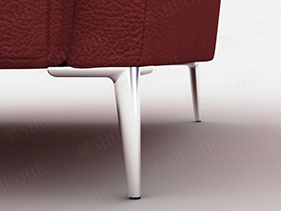 Sofa Legs


