In the ever-evolving furniture industry, the choice of Furniture Legs Material plays a pivotal role in both aesthetics and functionality. According to industry reports, the global furniture market is projected to reach USD 650 billion by 2025, with a significant segment driven by the demand for durable and stylish furniture components. SHUOHE Industries Co., Ltd., established in 2004 in Guangzhou Tianhe, has emerged as a leading manufacturer, committed to providing high-quality furniture legs that meet international standards. Our co-founders, Yubin Ni (BENNY) and Xianjun Shen (JOHNSON), combine their expertise in corporate management and market development to ensure that we deliver reliable products from trustworthy sources.
As we explore the top five best materials for furniture legs, we aim to guide consumers in selecting options that enhance both the longevity and appeal of their furniture.
Understanding the Importance of Furniture Legs Material Selection
When it comes to furniture design, the choice of materials for legs may seem secondary, but it plays a crucial role in both functionality and aesthetics. The material used not only affects the overall look of the furniture but also determines its durability and stability.
For instance, wooden legs offer a classic and warm touch, while metal legs can provide a modern, industrial vibe. Understanding the properties of each material is essential; hardwoods like oak or maple can withstand significant weight and stress, whereas softer woods may not provide the same level of support.
Moreover, selecting the right material for furniture legs is integral to maintenance and repair considerations. Different materials react differently to wear and tear; for example, metals may corrode over time if not treated properly, whereas upholstered legs may need periodic cleaning to maintain their appearance.
By choosing high-quality materials from reliable manufacturers, consumers can ensure that their furniture not only looks great but also remains functional for years to come. This thoughtful selection process can greatly enhance both the value and longevity of furniture pieces.
Exploring Various Materials and Their Durability in Furniture Legs
When it comes to selecting the right furniture legs, durability is a key factor that can greatly influence the overall longevity of your furniture. Different materials are used for legs, each offering unique characteristics that affect their performance over time. For instance, solid wood is a traditional choice that provides both strength and aesthetic appeal. Hardwoods like oak and maple are particularly resilient, capable of withstanding heavy loads while maintaining their structural integrity. However, they may require regular maintenance to keep them looking their best.
Metal legs, such as those made from steel or aluminum, present another durable option. These materials are often favored for their modern look and incredible strength. Unlike wood, metal legs are resistant to warping and can handle exposure to moisture without significant damage. Additionally, metal legs often come with protective coatings that enhance their resistance to rust and corrosion. Combining style and functionality, they are particularly suited for contemporary furniture designs, making them a popular choice among manufacturers. By understanding these diverse materials, consumers can make informed decisions that ensure their furniture remains functional and aesthetically pleasing for years to come.
Choosing the Top 5 Best Furniture Legs Materials from Reliable Manufacturers - Exploring Various Materials and Their Durability in Furniture Legs
| Material | Durability | Weight Capacity (lbs) | Cost ($ per leg) | Typical Usage |
| Wood | High | 200 | 10 | Dining Tables, Chairs |
| Metal | Very High | 500 | 15 | Office Furniture, Beds |
| Plastic | Medium | 150 | 5 | Outdoor Furniture, Lightweight Tables |
| Composite | High | 250 | 12 | Cabinets, Shelves |
| Bamboo | Medium to High | 180 | 8 | Eco-Friendly Furniture, Chairs |
Cost-Benefit Analysis of Different Furniture Leg Materials
 When considering furniture leg materials, a cost-benefit analysis is essential for making informed purchasing decisions. Different materials such as wood, metal, plastic, and bamboo offer various advantages and drawbacks that can significantly impact both the aesthetic and functional aspects of furniture. For instance, solid wood legs provide durability and a timeless look but often come with a higher price tag. On the other hand, laminated wood or plastic legs are more budget-friendly, yet they may sacrifice some sturdiness and longevity.
Metal legs, often seen in modern and industrial designs, offer exceptional strength and are generally more resistant to wear. However, the initial investment can be steeper compared to other materials. Bamboo presents an eco-friendly alternative that combines strength with a lightweight feel at a moderate cost. Each option presents unique benefits and trade-offs, allowing consumers to align their choices with both their budget and style preferences. Ultimately, understanding the long-term value and performance of furniture leg materials is crucial for anyone looking to make a wise investment in their home decor.
After-Sales Service: How It Impacts Your Furniture Investment
When investing in furniture, the quality of materials used for furniture legs is crucial, but just as important is the after-sales service provided by manufacturers. A reliable after-sales service enhances your investment by ensuring that any issues with your furniture can be resolved quickly and effectively. This support not only gives you peace of mind but also amplifies the longevity of your furniture. Look for manufacturers who offer warranties and responsive customer support; these can be indicators of a commitment to quality and customer satisfaction.
Tips: Before making a purchase, inquire about the after-sales service policy of the manufacturer. Ensure they have a clear process for handling returns, repairs, or replacements. This knowledge will help you make an informed decision, adding value to your investment in furniture.
Another critical aspect of after-sales service is the availability of replacement parts. In the case of damage to furniture legs, being able to easily source replacement parts from the manufacturer can save you time and money, preventing the need for a complete replacement of the furniture piece. Always check if the manufacturer provides access to spare parts and whether they offer support in installation or fixing issues that may arise over time.
Repair Costs: What to Expect for Various Furniture Leg Materials
When searching for the Best Furniture Legs materials, understanding the potential repair costs associated with each option is crucial. Different materials not only offer varying aesthetics and durability but also come with distinct implications for maintenance and repair. For instance, wooden legs might present a charming rustic appeal, but they can be susceptible to scratches and moisture damage, which might entail sanding and refinishing. Homeowners should expect to pay anywhere from $50 to $150 for professionals to repair or replace wooden legs, depending on the extent of the damage.
On the other hand, metal legs provide a sleek, modern look and typically boast greater resilience against wear and tear. While these materials are less prone to damage, if a metal leg bends or breaks, the repair costs can still range from $30 to $100, particularly if it involves welding or finishing. Additionally, plastic and acrylic legs are often seen as budget-friendly alternatives, but they can crack under heavy weight or impact. Repairing these can often be a straightforward process that might cost between $20 and $60. Ultimately, when selecting furniture legs, it's essential to consider not only the initial investment but also the potential repair costs associated with various materials over time.
Real-Life Examples of Furniture Legs and Their Performance Over Time
When selecting furniture legs, it's essential to consider not only aesthetics but also the longevity and durability of the materials used. For instance, solid wood legs have stood the test of time in both traditional and modern settings. A dining table with hardwood legs often showcases minimal wear after years of use, proving the material's resistance to chipping and cracking. In real-life applications, families often report that despite the rigors of daily life, quality wooden legs maintain their integrity while adding an element of classic charm to the furniture.
On the other hand, metal legs, particularly those made from stainless steel or aluminum, offer a contemporary twist with their sleek design and strength. Take, for example, a modern coffee table featuring brushed metal legs. Users frequently find that these legs withstand heavy loads and remain free of rust or corrosion over the years. In many instances, they require minimal maintenance and provide a stability that often surpasses that of their wooden counterparts. The combination of style and functionality makes metal a popular choice among consumers seeking long-lasting performance in their furniture investments.
FAQS
: The material used for furniture legs affects both the functionality and aesthetics of the piece, influencing its durability, stability, and overall look.
Common materials include wood (such as hardwoods like oak or maple) for a classic touch, and metal for a modern, industrial vibe.
Different materials react variably to wear and tear; metals may corrode without proper treatment, while upholstered legs require regular cleaning.
It’s important to consider the manufacturer's after-sales service, including warranty offerings and responsive customer support, as these can greatly affect the longevity of your furniture.
Reliable after-sales service ensures quick resolution of issues, providing peace of mind and prolonging the life of the furniture piece.
Inquire about their processes for handling returns, repairs, and replacements to ensure you can make an informed decision.
Access to replacement parts can save you time and money by preventing the need to replace entire furniture pieces if damages occur.
Choose high-quality materials from reputable manufacturers, and ensure you understand their after-sales service for support and repairs.
Hardwoods like oak or maple can support significant weight and stress, while softer woods may not provide the same level of stability.
Consider the desired aesthetic, the weight it needs to support, maintenance requirements, and potential for wear and tear.

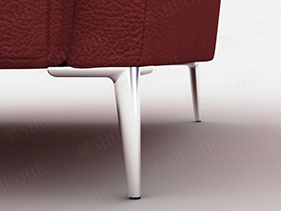 Sofa Legs


