
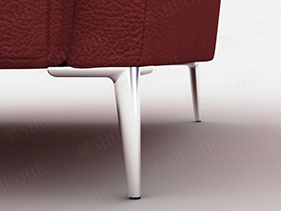
 Sofa Legs
 Leave Your Message
As furniture design goes through constant transformations, one may say with all fairness that Furniture Legs design has gained its deserved share of limelight. It is reported recently by Grand View Research that the global furniture market is expected to reach $650 billion by 2028 with an increasing emphasis on innovative designs that drive both aesthetic appeal and functional performance. Design and materials of Furniture Legs, as an area of research and application, can be leveraged to enrich the product appeal and value because buyers nowadays look for their unique selling points. It is in this regard that Furniture Market activities are witnessing a push towards personalization and sustainability-one factor that is crucial to drawing the attention of consumers worldwide come 2023.
At SHUOHE, we appreciate how truly paramount the concept of trends is in serving our clients. Founded in 2004, co-founders Yubin Ni (BENNY) and Xianjun Shen (JOHNSON) have upheld the spirit of market development and internal management excellence. Innovative Furniture Leg designs are truly part of an ever-evolving market basis, positioning us to work ahead of others to meet furniture buyers' diverse needs. A n interesting goal of ours, while tracking the most must-know trends in Furniture Leg design for 2023, will be to share certain insights with buyers that will empower them greatly in making sound decisions in the competitive marketplace.

By 2023, the furniture sector has completely changed as a result of innovative materials, which have completely changed furniture leg design. Though wood and metal were once the only options, they have successfully been complemented or even entirely replaced by many other materials that further beautify furniture and add to their sustainability. Recycled plastics and environment-friendly composites are the new buzz words for designers who wish to explore avenues that go green, providing unique textures and colors while reducing environmental impact. Natural, versatile, and extremely durable, these materials are perfect for high-traffic spaces within contemporary homes. Minimalism and pragmaticism push one towards raking incredible shapes and designs in furniture legs. From this stage on, using light metal and advanced manufacturing techniques, designers are going to create these skinny leg structures that equate to beauty with strength. This trend is normally reflected in multi-machine furniture that features ultra-high space efficiency required by a modern urban dweller. These lighter but stronger leg designs not only enhance the intrinsic value of the furniture but also facilitate assembly and reconfiguration of the furniture by consumers with much ease. Some subjects growing in importance are related to the use of smart materials, whose developments transform furniture-leg design by the proposition of technological capabilities. For instance, legs are now featuring adjustable heights or sensors for stability adjustments at an increasing rate among buyers who are in tune with technology. Integration with technology enriches the customer experience, while still connecting with the heightened interest in smart homes. If it continues to trend as it does now, furniture leg design in 2023 is destined to mesmerize global audiences with its new and sustainable ways that echo utility and aestheticism, as well as versatility in requirements.

With consumers all over the world considering the environment in their buying options, furniture has been transforming in the same way. Among the trends found in furniture leg design in 2023 is a preference for the use of sustainable materials. Allied Market Research has reported that the green furniture market is expected to reach $650 billion by 2027.
One type of novel material that is being embraced is bamboo, which grows very quickly and is renewable as well. Bamboo furniture legs provide excellent aesthetics but also conveniently bear a lesser degree of carbon footprint. According to the Forest Stewardship Council, bamboo is one species that can grow to the full length of 35 inches in a single day, making it a better source in terms of sustainable use compared to traditional hardwoods. As it is stated above, using sustainable materials serves well in practical terms, but it also speaks to a larger industry goal of minimal environmental impact.
Increasingly, recycled materials contribute to the manufacturing of furniture legs. According to an FIRA study, 45% of consumers would spend more on recycled furniture. By using reclaimed wood and metal, manufacturers can make pieces that are stylish to the eco-oriented buyer but also cut down on waste. This is where sustainable practice will change the furniture leg design scene and build a closer-knit approach towards a greener future in furniture making.

Modern furniture is fitted with an adjustable wooden leg and in the recent years the demand for that is also rising amongst the consumers who want it according to their needs for arrangements of dynamic living. Indeed, the most interesting innovations in design of furniture are that they can improve its height, enhance the functionality of its fitting in various settings, be it an inspirational little apartment or a big house. Such adjusTable Legs would give furniture the flexibility modern lifestyle demands, thus making it part of the most pivotal trend in furniture design in the year 2023.
As it turns out, the most important reason for designing adjustable furniture legs has been the necessity of offering multipurpose designs for future homes, bearing in mind the needs of activities like work-from-home, entertaining guests, or having a family dinner. Many manufacturers are now incorporating mechanisms that let users easily change the height of their tables, chairs, and sofas; devices like these humble contraption changes are just a few ways of making furniture more user-friendly. This adaptability in the exteriors maximizes comfort even at multi-useable operational mode without the need for so many improvement additions to the furniture.
Further adaptation of customers towards sustainable life is reflected in the market considering that they buy an adjustable piece for their long term wants rather than many of them that would eventually "consume" or "waste" because of unchanging definition in both aesthetics and function. This is an additional aspect in the whole picture of minimalism where the discussions between quality and flexibility over disposability have emerged. The journey of integrating a flexible furniture leg into any space will still be seen in the months ahead as the world progresses through the year 2023; space will become more functional and related to changing lifestyles.

The furniture design partners with increasing global trends to showcase a vast background of cultural influences from around the world. The results of such multiculturalism affect furniture design, and with it, our concepts of functionality. Desk Legs show this trend with interesting combinations of materials, colors, and shapes that acknowledge cultures while satisfying contemporary requirements.
Traditional crafts and designs from other cultures inspire a great number of new designs. African designs carry vibrant hues and bold geometric patterns while Scandinavian minimalism offers an uncomplicated design that resonates with current sensibilities. This pairing not only celebrates diversity but also permits buyers to find pieces that speak of their own stories and lifestyles."
Furthermore, with customizable furniture on the rise, customers can now mix and match their choice of leg designs based on their preferred style. The variety ranges tremendously-from intricately carved legs in Eastern styles to brutish industrial styles-it's an open playing field really. The good thing about this trend is that not only does it enhance the visual appeal of furniture, but the process of personalizing the piece also allows it to become a canvas on which the owner's identity, cultural heritage, or design inclination can be projected. As furniture legs evolve with time, the future trends will continue to be shaped significantly by multiculturalism.
As we venture deeper into the exciting world of furniture design, smart technology fused into furniture leg designs is one of the most exciting trends that is shaping up in 2023. In response to this growing demand for multifunctionality, designers offer innovative leg designs that support furniture structures while integrating electronic components to enhance usability and convenience. This trend is very pronounced in the global rise of standing desks availed by smart technology.
Height adjustability, ease of adjustment, and highly useful health-tracking features are some of the advancements that smart technology has enabled. For instance, standing desks are increasingly equipped with sensors that remind users to change posture throughout the day for healthy posture and well-being. Moreover, integrated charging stations and built-in lighting transform furniture legs into multifunctional hubs that allow users to work with maximum efficiency and minimal compromise on beauty.
As 2023 wears on, there's a lot to look forward to when it comes to these developments in furniture leg designs for buyers. The characteristic functionality combined with technology not only caters to the practical demands of modern-day lifestyles but also shows the trend drifting towards smarter living spaces. Furniture empowered with such features allows consumers to take home the best blend of style, comfort, and efficiency.
The year 2023 has been quite transformative for the furniture industry because it has changed in terms of bold shapes and geometric designs for furniture leg design that really appeals to a new generation of buyers who want style in everything, especially functionality.
According to a report released in September 2023 by Grand View Research, the global furniture market is set to cross $650 billion by the year, 2025, with most of that getting generated with the help of innovations in designs catering to the young generation. This is the generation that is drawn towards furniture with a practical side but is also found to be utilized as statement pieces in their abode.
Even the advent of geometric qualities in furniture leg design cannot just be considered a trend but rather consumer behavior changes. The International Home Furnishings Association study found that 67% of millennials would prefer to choose items with a fancy or unusual silhouette for their houses rather than piece elements of furniture selected traditionally by their parents. This creativity transforms the furniture by asymmetric legs or by sculptural forms, quirkily printed designs, which inject more personality into even standardized pieces of furniture.
In-demand manufacturers will be holding forth with an ingenious combination of materials and finishes. So merging of mixed materials-cheap metal will together have distinctive geometric designs is being less trendy. With a major fencing of custom furniture growing at the pace of 5% per annum, it is believed to mark the trend in individual tastes for indoor decors. Finally, what a problem that might be for the market is bringing in such types of collections that reflect but are defying contemporary design.
As we step into the furniture market in 2023, it's becoming clear that consumer preferences greatly influence what consumers want. The trend that we are seeing now support more sustainable and multifunctional designs. This is becoming true as buyers look for products that for one reason or the other are pleasing to the eye but at the same time serve multiple purposes. The side table and accent piece aspect of the trend portray this increasingly well, where the products marry functionality to jaw-dropping visual appeal, now becoming indispensable elements in modern interiors.
Across various product segments, the home decor market, including textiles, flooring, and furniture, is burgeoning. The global side table market is anticipated to expand from USD 13.63 billion in 2025 and will reach USD 19.03 billion by 2032, making a compound annual growth rate (CAGR) of 4.88%. This coincidence of market expansions is another important telling for the movement of the whole industry: from less space-efficient furniture towards modern compact and multifunctional designs suitable to urbanity, wherein space is often a premium.
Regional forecasts are also bringing to the front further significant market dynamics driven by demographic changes. The carpet and rug market is on track to presumably exceed USD 50 billion by 2023, with urbanization and rising population providing encouragement to demand for such design innovations that add to comfort and style. As manufacturers and designers plug into these consumer insights, the futuristic leg designs may lean largely towards adaptability mixed with sophisticated minimalism, in keeping with the contemporary buyer's pursuit of home décor described in terms of functional style.
Buyers in the furniture design sector are obliged to understand global sourcing strategies in order to conduct international trade. As we enter into 2023, the furniture leg design becomes one of the important elements in connection with appearance or functionality. Buyers must know that differently manufacturing standards, materials, and cultural influences will affect furniture leg designs from different regions. Understanding these variables will help buyers make decisions according to the accepted trends in furniture buying.
Building strong relationships with manufacturers is one of the paramount considerations for effective global sourcing. Put simply, if buyers go directly to suppliers in different countries, they may get access to specific craftsmanship or innovative designs not available in their home market. In addition to that, they will be kept aware of the latest trends, such as eco-friendly materials and ergonomic designs. By collaborating directly with manufacturers, customized options that are potentially addressable to a specific market can be developed, giving the buyers much-needed competitive leverage with marketing furniture.
The understanding and ability to work seamlessly through the logistics of international trade is extremely important. In this regard, buyers should pay attention to shipping costs, import regulations, and all lead times originating in various international sources for sourcing furniture legs. The use of technology will greatly facilitate the process of communication and coordination with suppliers. These global sourcing strategies that buyers become adept in will ultimately increase their output ideas while providing solutions for their equally varied clientele in 2023 and beyond.
In 2023, innovative materials such as recycled plastics, eco-friendly composites, and bamboo are driving furniture leg design trends, offering unique textures, colors, and sustainability benefits.
Furniture leg designs are increasingly incorporating eco-friendly materials and recycled resources, responding to consumer demands for sustainable options while reducing environmental impact.
Technology is enhancing furniture leg design through the use of smart materials, such as adjustable height features and stability sensors, which improve user experience and support the trend towards smart home solutions.
Bamboo is rapidly renewable and has a minimal carbon footprint, making it a sustainable choice for furniture legs, while also offering a distinctive aesthetic.
Consumers are increasingly favoring sustainable and multifunctional designs, leading to a rise in popularity for compact and versatile furniture, particularly side tables and accent pieces.
The global side table market is projected to grow from $13.63 billion in 2025 to $19.03 billion by 2032, reflecting a compound annual growth rate of 4.88%.
Trends such as urbanization and demographic changes are driving demand for innovative furniture leg designs that emphasize adaptability, functionality, and stylish minimalism to meet the needs of modern living spaces.
Recycled materials, such as reclaimed wood and metal, enable manufacturers to create stylish and eco-conscious furniture legs, attracting consumers willing to pay more for sustainable products.
Future furniture leg designs are expected to prioritize adaptability, sustainability, and sophisticated minimalism, aligning with contemporary consumer preferences in home decor.
The furniture industry is aligning its production practices with eco-conscious consumer preferences, incorporating sustainable materials and focusing on minimizing waste to create greener products.


