
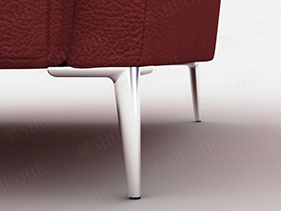
 Sofa Legs
 Leave Your Message
When it comes to furniture designing, the tiny details really make the difference between comfort and functionality. One such detail is a "Legs For Sofa." Grand View Research, in its latest market analysis, reports that the global furniture market is expected to reach USD 650 billion by 2025, with a major focus on consumer preference in terms of ergonomic and aesthetically preferred designs. Although they are minor parts, sofa legs have great significance as far as the overall stability and comfort of a placing area are concerned. A sofa leg is something that affects the ergonomic support for sitting; it adds to the beauty and hence is an important consideration for the manufacturer and the consumer.
SHUOHE Industries Co., Ltd. was established in September 2004 by Yubin Ni (BENNY) and Xianjun Shen (JOHNSON). We comprehend how quality and innovative design trickle into everything-from the legs of our sofas to the ceilings. understood things around us and planned our company on the very bases of addressing common issues such as material durability and aesthetics at integrating the use of sofa legs. While BENNY takes care of corporate development and internal management, JOHNSON leads market development and sales strategies. Above all this, we took these conditions and turned them into developing better solutions that also are for serving a constantly-changing clientele. Thus, SHUOHE turns out to be a forward-thinking leader of the industry furniture with all these applied.

Interior designers might forget to consider the importance of the sofa leg; such insignificant features add much to balancing aesthetics and functionality. According to the American Society of Interior Designers, nearly 70% of interior design professionals feel that Furniture Legs are significant to enhancing the overall appearance of a room. To be more specific, the right sofa leg can contribute to changing the perception of a room, such that it might feel either open or cozy, depending on what the designer wants to communicate. Still, there is no denying the other functional aspect. The legs of the sofa add to the ergonomics of the piece of furniture. The Furniture Manufacturers Association report says that well-designed furniture legs can improve stability and comfort for people with restricted mobility. It further increases the seating experience for the users that can easily slide in and out of the sofa without obstruction. Not only does this provide comfort, but also an adequate leg clearance helps make cleaning tasks easier, thus enhancing the durability of the furniture while upholding hygiene. When it comes to style, the varied designs of sofa legs- modern and sleek, vintage to ornate- give the homeowner an avenue of self-expression. Studies show that 55% of homeowners are willing to pay extra for customization of furniture according to their tastes and styles. This further personalizes the interior while ensuring that the sofa legs harmonize with other design elements in the space, creating a cohesive living space.

As far as the creation of these sofa legs goes, several key materials truly support the furniture's aesthetic enhancement as well as durability and functional value. The recent trend speaks of increasing utilization of sustainable materials, such as recycled metals and eco-friendly woods, in the leg production of sofas. This tangible shift was birthed with an increased consumer awareness for such environmentally responsible products due to an international crusade for sustainability in the home furnishings business.
Durability shall persist as another major concern, with sofa legs having to endure the battering meted out by everyday use. With a favorable report in place that the designing of upholstered sofas is garnering more sales in the global furniture market, manufacturers are thus investing in sturdy legs, which can include aluminum and reinforced plastics, to withstand any abuse thereby increasing structural properties and longevity of the sofas while curtailing common problems like wobbling or breakage which arise due to flimsy leg structures.
Keeping track of consumer preferences as they change over time, manufacturers are looking into advanced coatings and finishes that would enhance both aesthetic and functional properties. Such systems would not only protect against scratches and environmental factors, but they would also be attractive. Further advances in material science will promote innovations, to the extent of driving both fashion and performance in the living space.

Although sofa legs are often overlooked when talking about a sofa's comfort and stability, the truth is that such assumptions can be misleading. Research-based studies from the International Furniture Association reveal that the design and material of sofa legs affect the aesthetic as well as structural integrity of the furniture. Strong sofa legs, made of hardwood or metal, improve weight distribution, increase stability in the seat itself, and are important in long-term use.
Moreover, there is a height concerning the sofa legs, which can affect comfort levels for the user. As featured in a study released by Furniture Manufacturers Association, sofa legs measuring 4-6 inches tall are said to be most desirable for facilitating comfortable entry and exit from a seat. Higher sofa legs could provide space for cleaning under the sofa but could also deny some inviting nature of the sofa if it goes a little bit high. Therefore, aesthetics and utility need to find the perfect balance in their beauty to cater the sofa leg design up to the specific comfort needs of users.
Besides, like common leg instability, they frequently are a portion of the causes of security hazards or discomfort. According to the Consumer Product Safety Commission, one of the most predominant causes of accidents in homes with children or elderly individuals are the poorly fastened or flimsy legs found on some sofas. Therefore, it is very important for sofas to have their legs strong and well-attached if the whole function and safety features of any furniture have to be kept with it. Moreover, by doing so, manufacturers can substantially improve the experiences of users and their satisfaction with any pieces of furniture they may produce.

The height of sofa legs affects their comfort for users, especially in seat arrangements. Statistical analyses now show that leg height affects not only the aesthetics of furniture but also the physical comfort that can be derived from it. High sofa legs may improve easy maintenance and make it feel modern, but may not synchronize with everyone's preference, especially older adults or individuals with mobility concerns. Lower leg heights, however, can give a false sense of comfort because they allow easier transitions from sit-to-stand, a factor critical for user satisfaction.
Most studies in ergonomics labs have emphasized the importance of the design of the furniture for the users' postures. This may explain the scrutiny in Bangladesh on the designs of classroom furniture owing to its effects on the comfort and learning of children. Thus, ergonomically sound classroom furniture is necessary for all schools. It will not only enhance the comfort of the students but also significantly contribute to improved concentration and productivity.
We also see similar cases in studies with older people concerning their interaction with kitchen furniture. Coming out of cabinets might be an issue depending on the furniture design and how high the items are placed inside them. A closer view on these relationships makes one appreciate how designing something as minor as furniture legs-the height and structure-can drastically improve the overall experience of consumption in people from different demographics. Of all things, knowing comfort preferences based on sofa leg heights indicates the serious need for considerate design to improve living conditions in everyday life.
Considered as one of the accessories to a living room, sofa legs enhance its comfort and visual appeal to a certain extent. Misalignment is a common challenge encountered by homeowners in the installation process. Misalignment can arise due to a variety of reasons: uneven flooring, inconsistencies during manufacturing, or improper measuring. While an incorrectly installed sofa leg means an uncomfortable and unbalanced sofa, such a piece of furniture can ruin the overall look of the room.
To avoid misalignment, this would be a simple yet effective trick: always ensure that the sofa is placed on a flat, level surface. Run a level along the surface of the sofa and check the flooring for problems, making appropriate adjustments if necessary. If your sofa legs are found to be different heights, applying furniture pads or shims to even out height differences is again recommended. This method stabilizes the sofa and helps avoid floor scratches.
One must also be careful while measuring before installing the legs. Always measure from the body of the sofa to the floor for each leg and ensure that it is being installed at the correct angle and depth. Constantly rechecking these measurements will go a long way toward preventing any misalignment problems. Look out for these challenges and pay them due diligence to get sofas that are functional and stylish, always increasing the comfort along the way.
Sofa legs aren't only about beauty but also strength and support. When you define the edge of your sofa, it's wise to remember that the maintaining comfort and longevity of such furniture is about resolving these additional items by mouth. Thus, routine checking ensures that your sofa legs will continue to perform their functional and visual purposes for many years to come.
One of the easiest yet most effective maintenance practices is simply checking for loose screws or joints that may have broken. Simply put, with the consistent weight that has been used over time, this will cause wear and tear to furniture making them susceptible to instability. Any wobble in your sofa can thus be avoided by simply tighening screws or removing damaged legs that would otherwise create more problems while enhancing the overall safety your sofa provides. To complete all these, you might also consider using felt pads placed under your legs to avoid scratching your floor while moving and make less noise.
Another significant part of maintenance would be cleaning, since depending on the materials of the sofa legs, dust, dirt, or even pet hair might build up on it. A slight wipe down with a damp cloth and then a dry finish will work wonders for wooden legs. Also, polishing them from time to time будет очень полезно для запоминания блеска. For metal or plastic legs, a good wash with appropriate cleaners will assist in prolonging the life of the legs. Just these few maintenance practices have an eye appeal in your sofa and comfort as it serves you for years to come.
Sofas, well, have gone from the realm of thehorrored years to avant gardeso far as it pertains to leg-settings. Judging by the uptrend set by such trends, these are more unique and modern designs considered innovative. Unlike the aged, simple tapered wooden legs that spoke of midcentury modern elegance, sleek metal supports underfoot are emphasising contemporary minimalistic trends. Current consumers today have a very wide choice of styles that fits differences in taste while promising comfort for the whole sofa.
However, probably the starkest new dimension in sofa legs now comes with mixed-material application, using disparate textures and color combinations to form the striking contrasts. A perfect example is upholstered legs, which include those fabric-and-wood or metal versions that "mix and match" perfectly with a matching body of the sofa, thereby creating seamless transitions between form and function. If incorporated into the design for this kind of treatment, it could elevate it so that manufacturers can actually have a lot of fun working within color point trends that inform current interior design applications.
This, however, is not without certain beleaguers common to designers, though they afford the opportunity to exploiting a good hanging balance, weight distribution and movement freedom. This, moreover, tends to be the norm in large-scale sitting arrangements. Practical and functional measures such as the installation of adjustable legs and lockable casters, due to most such projects nowadays under consideration, are increasingly shaping modern designs. In fact, what is pronounced here in the recent trends in sofa leg configuration is furnished to marry style and practicality in parallel.
A user's recommendations about sofa legs are significant when applying the science of comfort and functionality in living areas. Concerns raised by consumers have ranged from aesthetic values of the legs to issues of stability and durability of the product. An assumption that all legs for sofas are equal will most often lead to dissatisfaction when a particular piece of furniture fails to meet the needs of consumers. The beauty of selecting the right sofa legs goes beyond fitting the visual mood of the room; it also provides the support needed for the comfort required while seated.
Additionally, many users deal with height and material issues of sofa legs. For instance, tall legs can give an open feel to a room and allow for easy cleaning underneath the couch. Some consumers, however, may consider height a disadvantage in terms of comfort, as a high seat is not always best for lounging. The material of the legs- be it wood, metal, or plastic- certainly makes a huge difference in durability and maintenance. Customers would like further clarification provided regarding which materials suit different lifestyles and preferences, further emphasizing the need for manufacturers to address these concerns and do so in a transparent manner.
Consumer feedback calls for the potential availability of an education tool geared towards selling different types of sofa legs and their ensuing benefits. Acting on these concerns gives manufacturers an opportunity to design better and serve consumers' preferences. By seeking input from users through surveys and reviews, new myths about sofa legs can be dispelled, paving the way for modern solutions that contribute to the overall comfort and functionality of furniture choices.
Sofa legs play a crucial role in balancing aesthetics and functionality, enhancing the visual appeal of a room and contributing to the ergonomic qualities of furniture.
Well-designed sofa legs improve stability and comfort, making it easier for users to slide in and out of the sofa, which enhances the overall seating experience.
Common challenges include misalignment due to uneven flooring, manufacturing inconsistencies, or improper measuring, leading to an unbalanced sofa.
To address misalignment, ensure the sofa is on an even surface, use a level tool to check discrepancies, and consider using furniture pads or shims for height differences.
Current trends include unique configurations such as tapered wooden legs, sleek metal supports, and mixed materials that combine textures and colors for a striking look.
Custom furniture options allow homeowners to align the design of sofa legs with their personal tastes, creating a harmonious living environment and adding a personalized touch.
Designers are integrating practical solutions such as adjustable legs and lockable casters to ensure stability, weight distribution, and ease of movement, especially for larger sofas.
Adequate leg clearance allows for easier cleaning under the sofa, helping maintain hygiene standards and prolong the longevity of the furniture.
Yes, the right sofa legs can make a room appear more open or cozy, significantly changing the perception of the space based on the design choice.
Popular materials include wood, metal, and upholstered options that combine fabric with other materials, reflecting current interior design trends.


