Lately, there's been a noticeable buzz around choosing the right materials for Furniture Legs. People are really keen on finding options that not only look great but are alsodurable and eco-friendly. I came across a report from Mordor Intelligence that said the global furniture market might hit around $650 billion by 2025—that just shows how much everyone’s paying attention to the details like material choices these days.  SHUOHE Industries Co., Ltd., which started back in September 2004 and was co-founded by Yubin Ni (Benny) and Xianjun Shen (Johnson), clearly gets these trends. They’re always pushing to innovate when it comes to furniture parts. Benny mostly handles the company’s growth and internal stuff, while Johnson is busy with reaching new markets and sales strategies. Together, they’re really leading the way in offering high-quality furniture legs that suit all kinds of customer tastes. When we talk about the best materials for these legs, it’s not just about making stuff that works well—the aesthetic and style that today’s homeowners want is just as important. It’s all about blending function with beauty, you know?
Selecting the Right Material for Furniture Legs: An Overview of Popular Options
Choosing the right material for furniture legs is kinda more important than you might think. You want something durable, good-looking, and that fits how you plan to use the piece. A lot of folks go for solid wood legs — they’re pretty much a classic because they’re both sturdy and have that timeless charm. In fact, according to the American Home Furnishings Alliance, more than 40% of furniture made in the U.S. has wood parts, so it’s definitely a popular choice. Plus, wood isn’t just strong; it’s super versatile because you can finish it in so many ways to match a variety of styles.
On the flip side,
metal legs have become pretty trendy too, especially with the modern vibe. Think stainless steel or
powder-coated aluminum — these materials are not only tough enough to hold up weight-wise but also resist rust and corrosion, which is a big plus. I read in Furniture Today that metal legs are getting more popular in city-style furniture, with a
25% jump in their use over the past few years. If you’re into eco-friendly options, reclaimed materials are a fantastic pick. They’re
stylish and sustainable, so you can feel good about your choices. These days, more people are considering the
environmental impact when picking out furniture materials — it’s a big part of the process for sure.
Understanding Load-Bearing Capacities: Weight Tolerance of Common Furniture Leg Materials
So, when you're picking out materials for furniture legs, it really helps to get a grasp on how much weight they can handle. You’ve got your usual suspects—wood, metal, and plastic—and each of them has its own limits. For example, sturdy hardwoods like oak and maple can usually support around 300 to 500 pounds, making them perfect for heavier pieces. There’s even a study from the American Furniture Manufacturers Association that points out well-made wooden legs can handle a good amount of stress without warping or snapping—so, they’re pretty durable and stable for everyday use.
On the flip side, metal legs, whether steel or aluminum, are seriously strong—they can often support over 1,000 pounds. The Metal Furniture Association mentions that these are popular in commercial spaces due to their toughness and long-lasting nature. But, of course, style matters too—metal might be super sturdy, but wood often lends a touch of warmth and character to home furniture. Then there are plastic legs, which are usually less beefy—think a load capacity of around 100 to 200 pounds—and they’re great for lighter, more mobile furniture pieces where you want something lightweight and easy to move around.
At the end of the day, choosing the right material is all about balancing function and style. You want furniture that can comfortably handle what you throw at it, but also fits the vibe of your space. It's kind of a give-and-take, you know?
Comparative Durability: How Different Materials Stand Up to Wear and Tear
When you're picking out furniture legs, it's really important to get a feel for how different materials hold up over time. I mean, wood, metal, and plastic all have their own pros and cons when it comes to wear and tear. So, I came across this report from the Furniture Research Institute — it mentions that solid hardwood, which is known for being pretty tough, can last upward of 25 years, especially if you're taking care of it. On the flip side, softwoods tend to show scratches and dents much sooner, sometimes in just a few years.
Then there are metal legs—stuff like steel or aluminum—that are super strong and pretty resistant to bending or breaking. One study in the International Journal of Furniture Studies even pointed out that steel legs can support over 500 pounds without any issues, making them perfect for heavier furniture. But, heads up — if they’re not treated right, they can rust over time. And plastic legs? Well, they’re lightweight and do okay in different weather conditions, but they usually don’t last as long — probably around 5 to 10 years before they need replacing.
In the end, I think your choice should really match both your style and the practical needs of your space. Knowing these durability points helps you make smarter decisions, so your furniture legs stay looking good and work well for years to come.

Aesthetic Appeal: Matching Furniture Leg Materials with Home Décor Styles
When you're choosing furniture legs, let’s be honest—how they look really makes a difference in sprucing up your home decor. There are so many options out there, like wood, metal, and plastic, each bringing its own vibe and texture. Some legs might blend in seamlessly, while others can really pop and create a striking contrast with your existing furniture. For example, wooden legs give off that cozy, traditional feel—perfect if you’re into rustic or farmhouse styles. On the flip side, sleek metal legs tend to add a modern, minimalist touch, making your space look super clean and stylish. Getting to know the different materials helps you make smarter choices that match your overall design ideas and personal style.
Cost Analysis: Budgeting for Different Types of Furniture Leg Materials
So, when you're picking out furniture legs, it's pretty important to think about the materials—not just how they look, but also how much they’ll cost. I recently came across a report from the American Furniture Manufacturers Association, and it turns out wood is still a big favorite, making up around 45% of the market share. People love it because it’s durable and has that timeless, classic vibe. That said, the price tag can vary quite a bit—solid hardwood legs can run anywhere from $15 to $50 each, depending on the type of wood and finish. Meanwhile, engineered wood options are usually cheaper, between $10 and $25, making them a solid choice if you’re on a budget.
On the flip side, metal legs—like steel or aluminum—are super popular, especially in modern, sleek designs. According to a market analysis from 2022, nearly 30% of folks prefer metal for their furniture. They tend to be priced between $20 and $60 a pop. It might seem a bit higher at first, but honestly, considering how sturdy and long-lasting they are, they can be worth the investment—especially if you’re putting heavy furniture in a busy space. When you're budgeting, try to balance the initial cost with how you plan to use the piece long-term. That way, you'll make a choice that fits both your style and your wallet.
Exploring the Best Materials for Furniture Legs: Cost Analysis
| Material | Durability (Years) | Cost per Leg ($) | Weight Capacity (lbs) | Environmental Impact |
| Wood | 10-20 | 15.00 | 300 | Moderate |
| Metal | 20-30 | 20.00 | 500 | Low |
| Plastic | 5-10 | 5.00 | 150 | High |
| Bamboo | 10-15 | 12.00 | 250 | Low |
| Ceramic | 15-25 | 25.00 | 200 | Moderate |
Environmental Impact: Sustainable Choices for Furniture Legs and Their Benefits
When you're picking out furniture legs, it’s not just about how they look or how durable they are — you also wanna think about the environmental impact. Honestly, going for sustainable options like reclaimed wood, bamboo, or metal can make a big difference in your carbon footprint. I mean, reclaimed wood, for example, is basically giving new life to old, discarded materials, which helps cut down on waste and doesn’t need as much energy to produce as brand-new wood. Bamboo’s pretty amazing too — it grows super fast and is renewable, so it’s a great lightweight but sturdy choice that helps protect our forests.
And if you go for metal legs that are sustainably sourced, they tend to last longer, which is always a plus. Using recycled metal not only keeps waste out of landfills but also takes less energy during manufacturing—winning all around. At the end of the day, choosing these eco-friendly materials isn’t just about making your home look stylish — it’s about making a difference for the environment. It shows you care and are trying to be more responsible about your choices. So yeah, building a beautiful home while being eco-conscious is totally doable, and honestly pretty rewarding too.
FAQS
: It's essential to consider durability, aesthetics, and the intended use of the furniture when selecting materials for furniture legs.
Solid wood legs are known for their strength and timeless appeal. They provide sturdy support, allow for various finishes, and are popular in the industry, with over 40% of produced furniture featuring wood components.
Metal legs, often made of stainless steel or powder-coated aluminum, offer exceptional strength, often exceeding 1,000 pounds in weight tolerance, making them suitable for heavy-duty use, especially in commercial settings.
Solid hardwoods like oak and maple can support 300 to 500 pounds, metal legs can support over 1,000 pounds, while plastic legs typically support 100-200 pounds.
Sustainable materials like reclaimed wood, bamboo, and recycled metal help reduce the carbon footprint, minimize waste, and conserve natural resources, contributing to environmental conservation.
Reclaimed wood breathes new life into discarded materials, minimizes waste, and requires less energy for production compared to new wood, making it an eco-friendly choice.
Plastic legs are less durable and typically favored for lighter, portable pieces where flexibility and ease of movement are priorities.
While materials like metal offer superior strength, wood can enhance the overall design of residential furniture, making aesthetics an important factor in the selection process.
There has been a 25% growth rate in the use of metallic components in urban furniture designs over the past five years, indicating an increasing preference for metal legs.
Using recycled metal diverts waste from landfills and saves energy during manufacturing, making it a sustainable choice that enhances the longevity of furniture.
Conclusion
When you're choosing the right material for your furniture legs, it's important to think about a few key things. Homeowners often weigh options like wood, metal, plastic, or upholstered materials — each has its own vibe and strength. It’s really about finding that balance: understanding how well the material handles daily wear and tear so your furniture stays sturdy, but also matching the style to your home decor to make the whole space feel just right.
Don't forget about the budget, though! Some materials can get pretty pricey, so it’s good to do a bit of cost comparison upfront. And if you’re eco-conscious, there are definitely sustainable options out there that help cut down on environmental impact, doing your part for the planet while still getting something that looks great.
Since SHUOHE Industries Co., Ltd. specializes in all sorts of furniture components, it’s super helpful to stay in the loop about the latest trends and tech in furniture leg materials — it really helps in making smarter choices when shopping for new pieces or replacements.

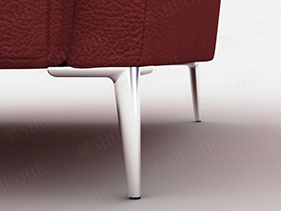 Sofa Legs


