Hey there! So, if you’ve been keeping an eye on the global furniture scene, you probably know that choosing the right furniture components—especially those legs—can really make or break the whole vibe of your product. Industry reports have been buzzing that the global furniture market is set to hit a whopping USD 650 billion by 2025! And there’s definitely a growing buzz around sustainable sourcing and custom designs. Ever since SHUOHE Industries Co., Ltd.kicked things off in 2004, they’ve really made a name for themselves in the furniture components world. For manufacturers out there looking to upgrade their product lines, it’s super important to get a grip on all the different options for Furniture Legs. With so many materials and styles out there, the leg you choose can totally influence not just how everything looks and feels, but also how it aligns with what customers care about—thinkdurability and being environmentally friendly.

So, I’ve whipped up this handy checklist to help you navigate the essentials in picking the perfect furniture legs for your global sourcing adventures!
Understanding Different Types of Furniture Legs for Global Sourcing
So, when you're out there looking for furniture legs from around the world, it’s super important to really get what kinds are out there and how they might change up your product’s vibe and functionality. You've got all sorts of materials to choose from, like wood, metal, and plastic, each bringing its own flair and sturdy benefits to the table. For example, wooden legs have that warm, classic charm while also being pretty durable, whereas metal legs are perfect for achieving that sleek, modern look and can handle heavier pieces really well.
A quick tip: When you’re checking out your wood options, pay attention to the grain patterns and finishes that vibe with your brand image. Oh, and don’t forget about the weight and stability needs of your furniture! If it’s a big piece, go for those heavier, tougher legs.
Then there’s the style of the legs to think about. Tapered legs can give you that minimalist feel, and turned legs? They just scream traditional elegance. Just make sure the leg style really fits with your furniture’s overall design—it should make it look good while still being functional.
One more tip: Don’t hesitate to play around with custom designs. Unique leg styles can totally make your products stand out in a crowded market and also cater to what your customers are after.

Key Materials and Their Impact on Furniture Leg Durability
When you're picking out furniture legs for global sourcing, it's super important to think about how different materials can affect durability. A report from the Furniture Institute suggests that wood is really the go-to choice, making up around 65% of furniture leg production across the globe. Hardwoods like oak and maple are often the favorites because they’re strong and tough, lasting up to 50 years if you take care of them right. On the other hand, softer woods like pine can get dents and scratches more easily, which means they might not last as long.
And let's not forget about metal legs! They’ve become quite the trend, especially in modern designs. According to a study by the Metal Furniture Association, metal legs—particularly those made from stainless steel and aluminum—are super durable and resistant to bending and rusting. They can handle quite a bit of weight, so they’re perfect for heavier furniture pieces. Plus, with everyone becoming more eco-conscious, options like recycled metals are popping up more and more. They look great while also appealing to those who care about the environment.
So, in this global sourcing era, it's key for manufacturers to consider these material specifics. A solid understanding of what each material brings to the table ensures that choices not only fit the design goals but also stand the test of time, which boosts the overall quality of the final products.
Furniture Leg Material Durability Comparison
Design Considerations: Matching Furniture Legs with Style
Choosing the right furniture legs can really make or break the look of your space, you know? It’s all about the little details that either blend in beautifully or throw everything off. So whether you’re decorating a sleek, modern living room or going for a more snug, traditional vibe, you really wanna pay attention to the materials, colors, and shapes of those legs. For example, those tapered wooden legs? They totally scream midcentury modern and bring a nice touch of charm. On the flip side, if you pick some shiny metal legs, you can lean into that contemporary feel instead—pretty cool, right?
A couple of tips: Don’t forget about height! You want the furniture legs to be in sync with your other pieces, so you don’t end up with a cramped look. And when it comes to color, aim for something that feels right with the whole palette. Legs that match or contrast in a thoughtful way can really elevate the overall vibe of the room. Oh, and keep in mind that versatility is your friend; go for legs that can evolve with your style changes down the line.
Also, let’s not forget, style is great, but function is key! You want those legs to be sturdy enough to hold everything up while keeping things stable. If you’re putting your furniture on an area rug, think about how all the legs will sit. Are they all going to be on the rug, or just the front ones? This little detail can really change how your space feels and looks, so it’s worth considering!

Cost Analysis: Evaluating Price vs. Quality in Furniture Legs
When it comes to sourcing furniture legs from all over the globe, finding that sweet spot between cost and quality is key, right? There’s this recent report from the Business of Furniture that reveals something pretty interesting: manufacturers are under increasing pressure to provide high-quality products without breaking the bank. In fact, about 70% of those surveyed said cost is their number one concern when making sourcing decisions. Given that, it’s super important to know how those lower prices might impact the quality of materials and how long they actually last.
But there’s more! A study from Furniture Today shows that shoppers are actually willing to shell out an extra 20% for materials that are sustainably sourced. That tells us there’s definitely a market out there that values quality over just getting the cheapest deal. Investing in high-quality furniture legs can really pay off down the line; materials like solid wood and metal not only look great but also mean you won’t have to replace things as often.
So, businesses really need to take a hard look at their sourcing strategies to make sure they aren't cutting corners just to save a few bucks. In the end, it’s all about boosting customer satisfaction and building brand loyalty.
Sourcing Strategies: Finding Reliable Suppliers for Furniture Legs
When you’re on the hunt for furniture legs, finding suppliers you can really rely on is super important for making sure you get top-notch quality and efficiency. One really cool way to do this is by hitting up trade shows and industry events. Meeting potential suppliers face-to-face can make a big difference. You get to check out their products up close and do some negotiating without all the pressure from middlemen hovering around.
Another thing to keep in mind is to browse online platforms that specialize in connecting you with manufacturers. Websites like Alibaba or Global Sources are great resources—they can link you to tons of different suppliers! But, here’s the catch: it’s really important to do your homework. Make sure you check out reviews and ask for samples before you dive into bigger orders. Doing your due diligence here helps ensure the supplier can meet your standards in terms of quality and their production capabilities.
And hey, don’t underestimate the power of building long-term relationships with your suppliers! Keeping the lines of communication open and building trust can open up a lot of doors for you. You might find that you can negotiate better terms, get your stuff delivered on time, and even get the inside scoop on what’s trending in furniture design. A solid partnership with your supplier can really boost your product offerings and help you stay competitive in the market.
How to Choose the Best Furniture Leg for Your Global Sourcing Needs
| Material Type | Weight Capacity (lbs) | Sourcing Location | Cost (per unit) | Supplier Reliability Rating |
| Wood | 300 | Vietnam | $5.00 | 4.7 |
| Metal | 500 | China | $8.00 | 4.5 |
| Plastic | 150 | India | $2.50 | 4.2 |
| Composite | 250 | Brazil | $4.00 | 4.0 |

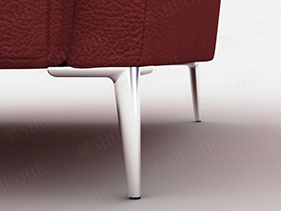 Sofa Legs


