When you're picking out furniture for your place, it's easy to overlook the whole thing about the Furniture Legs' material. But honestly, that tiny detail can really make a difference in how everything looks and works. The legs aren’t just there for support — they shape the vibe of your furniture and affect how sturdy and stable it feels. Luckily, there’s a whole bunch of options out there—from classic wood to sleek metal, and even eco-friendly choices. Picking the right one is pretty important if you want your furniture to match your decor beautifully.
Each material has its own perks, so understanding what they offer can help you put together a look that just feels right for your home. For example, wooden legs can add warmth and a traditional touch, whereas metal ones give off a modern, minimalist vibe. Also, when choosing, don’t forget to think about things like how much maintenance they need, how much weight they can handle, and what impact they have on the environment. In the upcoming sections, we’ll dive into the different types of furniture leg materials, their pros and cons, and give you some tips on picking the best fit for your space. By the end, you’ll have all the info you need to upgrade your home décor with the perfect furniture legs — making your space look just how you want it to be.

Understanding the Importance of Furniture Legs in Home Decor
The legs of furniture play a crucial role in not only maintaining structural integrity but also enhancing the aesthetic appeal of home decor. According to a report by Furniture Today, around 70% of consumers consider furniture legs as an essential feature when selecting pieces for their home. The right material can complement or contrast with existing decor, influencing the overall visual harmony of a space. For instance, wood legs often impart a traditional and warm touch to a room, while metal legs can lend a more modern or industrial vibe.
Additionally, the durability and stability provided by the materials are pivotal factors. A study published in the Journal of Interior Design noted that furniture made with metal legs often showed a 40% increase in longevity compared to their wooden counterparts when subjected to similar stress tests. This highlights the importance of not only choosing aesthetically pleasing materials but also considering their functionality and lifespan. Therefore, understanding the impact of furniture leg materials is essential for achieving both style and practicality in home decor.
Common Materials Used for Furniture Legs: A Comparative Overview
When selecting furniture legs for your home decor, understanding the various materials available is crucial. Each material offers distinct characteristics that can significantly influence both aesthetics and functionality. Wood, for example, is a popular choice due to its natural beauty and strength. Available in various finishes, wooden legs can complement traditional or contemporary styles while also providing durability. Moreover, wood can be easily refinished or painted to suit changing decor trends.
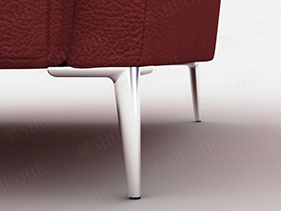
Metal legs are another option that has gained popularity for their sleek and modern appearance. Materials such as steel and aluminum provide a minimalist look and can enhance industrial or modern decor themes. Metal legs are generally highly durable and resistant to wear and tear, making them suitable for heavy furniture pieces. However, they may also require occasional maintenance to prevent corrosion, especially if exposed to moisture.
Plastic or composite legs offer a lightweight and budget-friendly alternative without compromising on style. They are available in an array of colors and designs, making them versatile for various decor styles. While they might not provide the same level of strength as wood or metal, they are resistant to scratches and can be an excellent choice for children's furniture or spaces where mobility is essential. Evaluating these materials based on your specific needs and aesthetic preferences will lead you to the best choice for your home.
Factors to Consider When Choosing Furniture Legs Material
When selecting furniture legs material for your home decor, there are several critical factors to consider that can significantly influence both aesthetics and functionality. One primary aspect to consider is the durability of the material. According to a report by the American Society for Testing and Materials (ASTM), metal legs, such as stainless steel or aluminum, can withstand more stress and weight compared to wood or plastic. This makes them an excellent choice for heavy furniture pieces like dining tables or sofas. Additionally, metal legs can provide a modern and industrial look, complementing various interior styles.
Another crucial factor is the impact of material on aesthetic appeal and maintenance. Wood legs can offer a warm and classic feel, making them suitable for traditional or rustic decor. However, a study from the Furniture Manufacturers Association indicates that wooden legs require more maintenance, as they are susceptible to moisture and can warp over time. On the other hand, plastic legs may be more resistant to environmental factors, making them ideal for outdoor furniture or high-traffic indoor areas. Ultimately, understanding these factors – durability, , and maintenance – can help homeowners make informed choices that align with their design vision and lifestyle needs.
Impact of Furniture Legs Material on Durability and Stability
When it comes to selecting furniture legs, the material plays a pivotal role in ensuring the durability and stability of your home decor items. Different materials, such as wood, metal, and plastic, have unique properties that affect the overall performance of the furniture. According to a study by the American Furniture Manufacturers Association (AFMA), wooden legs tend to provide superior stability and can support significantly more weight compared to their plastic counterparts. For instance, high-quality hardwood legs can bear up to 200% more weight than standard plastic legs, highlighting their advantage in long-term use.
Moreover, the selection of material has implications for wear and tear. Research indicates that metal legs, particularly those made from steel or aluminum, offer exceptional resistance to bending and warping, making them a favored choice for both durability and aesthetic appeal. A report from the Furniture Industry Research Institute (FIRI) notes that furniture with metal legs typically lasts 50% longer than similar models with weaker materials, withstanding the rigors of daily use without compromising stability. This advantage becomes particularly essential in households with active lifestyles, where furniture must endure frequent movement and pressure.
Ultimately, choosing the right furniture legs material is crucial not only for enhancing aesthetic appeal but also for ensuring a sturdy foundation that can withstand daily demands. By opting for materials that prioritize durability and stability, homeowners can invest in decor that remains functional and visually appealing for years to come.
Aesthetic Considerations: Matching Furniture Legs to Existing Decor
When selecting furniture legs for your home décor, aesthetic considerations play a crucial role in achieving a harmonious design. According to a report by the Furniture and Home Furnishings Industry Research Association, a well-integrated design can enhance the visual appeal of a space and increase the perceived value of the furniture. The choice of material for furniture legs should complement existing elements within the room—be it through color, texture, or style. For instance, legs in natural wood can seamlessly blend with rustic or traditional interiors, while sleek metal legs often align well with modern or industrial themes.
In addition to style, it's essential to consider the finish of the furniture legs. A glossy finish can evoke a sense of elegance and create a striking contrast against matte surfaces. Conversely, matte finishes tend to provide a subtle, understated look that can harmonize with various design elements. A 2022 design trends report indicated that 67% of homeowners prioritize the coherence of furniture elements in their décor decisions. Thus, paying attention to how furniture legs interact with the overall design can elevate the aesthetic and ensure a cohesive environment that resonates with both comfort and style.
Budgeting for Furniture Legs: Cost vs. Quality Analysis
When considering furniture legs for your home decor, budgeting is a crucial factor that can significantly influence your choices. The balance between cost and quality is essential to ensure that your investment not only enhances the aesthetic appeal of your space but also stands the test of time. Higher quality materials like solid wood or metal tend to have a higher upfront cost, but their durability can lead to long-term savings, as they require less frequent replacement. In contrast, cheaper alternatives may save you money initially, but they can wear out quickly and lead to additional expenses down the line.
Additionally, when assessing your budget, it's important to consider the overall design and functionality of the furniture. The right legs should not only complement the style of your decor but also support the weight and use of the furniture piece. Investing in quality materials that match your home's theme can elevate the decor while providing stability. By weighing the cost against the longevity and aesthetic appeal of the furniture legs, you will be better equipped to make an informed decision that fits your financial plan.
Cost vs. Quality Analysis of Furniture Legs Materials
Maintenance and Care Tips for Different Legs Materials
When selecting furniture legs for your home, the material plays a crucial role not only in aesthetics but also in maintenance and longevity. Different materials demand different care, and understanding these needs can help you preserve the beauty and functionality of your furniture.
Wooden legs, for instance, offer a classic look but require regular maintenance to prevent deterioration. It's essential to dust them frequently and apply a wood conditioner every few months to keep the wood hydrated and prevent it from cracking. For stubborn stains, a mild soap solution can be used, followed by thorough drying to avoid water damage.
Metal legs are often more durable and can withstand heavier loads, but they’re not exempt from maintenance. Regularly inspect metal legs for signs of rust, especially in humid environments. If rust appears, it can often be removed with fine steel wool, followed by applying a protective coat of polish to prevent future corrosion. Additionally, wiping them down with a damp cloth occasionally can help maintain their shine and cleanliness.
Embrace Elegance: A Comprehensive Guide to Choosing the Perfect Light Luxury Coffee Table for Your Living Room
When it comes to creating a stylish and inviting living space, the coffee table often serves as the centerpiece, marrying aesthetic appeal with functionality. A perfect light luxury coffee table not only enhances the decor of your living room but also reflects your personal taste. As you select your ideal piece, consider the materials and design elements that will complement your existing furniture.
The C7023G table frame exemplifies contemporary design, crafted from durable iron with dimensions of 393*222*689mm. Its sleek lines and modern finish make it a versatile option whether placed in a cozy living room, trendy office, or even outdoor settings. The elegant appearance makes it a beautiful addition to various styles, seamlessly blending with both minimalist and ornate decor.
Choosing the right coffee table involves more than just aesthetics; functionality is paramount. This durable frame allows for various uses, from holding books and magazines to serving as a surface for drinks and snacks during gatherings. Embracing elegance doesn’t mean sacrificing practicality. The C7023G promises to elevate your space while providing the utility needed for everyday life, making it an ideal choice for modern living.
FAQS
: The common materials for furniture legs include wood, metal, and plastic or composite. Each material offers distinct characteristics that influence aesthetics and functionality.
Wood is popular due to its natural beauty, strength, and durability. It can support more weight and be easily refinished or painted, making it suitable for various decor styles.
Metal legs, made from materials like steel and aluminum, offer a sleek modern appearance, exceptional durability, resistance to wear and tear, and they typically last longer than furniture with weaker leg materials.
Yes, plastic or composite legs are lightweight, budget-friendly, and available in various colors and designs. They are resistant to scratches, making them suitable for children's furniture or spaces requiring mobility.
The material significantly impacts stability; for example, wooden legs provide superior stability and can support significantly more weight than plastic legs, while metal legs offer resistance to bending and warping.
When choosing furniture legs, consider how they match existing decor through color, texture, and style. The finish of the legs (glossy or matte) also plays a role in achieving a harmonious design.
Coherence among furniture elements is crucial; about 67% of homeowners prioritize it in their design choices to enhance visual appeal and create a cohesive environment.
Yes, the choice of material can influence longevity. For example, furniture with metal legs may last 50% longer than similar models with weaker materials, particularly in active households.
Durability is essential in selecting furniture legs to ensure the furniture can withstand daily demands and maintain both functionality and aesthetic appeal over time.
Conclusion
When selecting furniture legs material for your home decor, it’s essential to understand their significance in both functionality and aesthetics. Common materials like wood, metal, and plastic each offer unique benefits and styles, so a comparative overview helps to discern their strengths. Key factors to consider include durability, stability, and how well the materials align with your existing decor.
Moreover, budgeting plays a crucial role, as there is often a trade-off between cost and quality. Investing in high-quality materials can enhance the longevity of your furniture, while regular maintenance ensures they remain in top condition. Ultimately, thoughtful consideration of furniture legs material can transform your space, adding character and support to your furnishings.

 Sofa Legs


