Picking the right material for your Furniture Legs is more important than you might think — it’s not just about how it looks, but also how long it’ll last. Furniture legs aren’t just there to support your piece; they also give it that finishing touch. With so many options out there, it can get a little overwhelming. But understanding the pros and cons of different materials can really help you make a smarter choice, making sure your furniture looks great and stays sturdy for years to come.
So, in this little guide, we’re going to explore some of the most popular materials for furniture legs. We’ll look at their durability, style, and what kind of furniture they’re best suited for. Whether you’re into the solid feel of hardwood, the sleek vibe of metal, or maybe something in between, each material has its own personality and purpose. Whether you're decorating a modern living room or going for that timeless, traditional look, choosing the right furniture leg material can totally transform your piece — making it both beautiful and sturdy enough for everyday use. Stick with us as we break down the top choices, so you can pick the perfect fit for your style and needs.

Types of Furniture Legs: An Overview of Common Materials
Furniture legs play a crucial role in both the aesthetic appeal and structural integrity of pieces. When it comes to materials, the common options available include wood, metal, plastic, and composite materials. Each has its own unique characteristics that can significantly influence the look and longevity of the furniture.
Wooden legs are favored for their timeless appeal and versatility. They are available in various types, such as hardwoods like oak and walnut, which offer durability and a warm, classic appearance. In contrast, metal legs, typically crafted from steel or aluminum, provide a modern, industrial touch and are known for their strength and stability. These materials can withstand heavy weights and wear, making them ideal for frequently used furniture.
Plastic and composite materials are increasingly popular due to their lightweight nature and variety of styles. They are often designed to mimic the appearance of wood or metal while being more affordable and resistant to moisture and wear. While they might not have the same level of sturdiness as wood or metal, they can be an excellent choice for occasional use or decorative pieces. Each material offers distinct advantages, allowing consumers to choose based on their specific needs for durability and style.
Best Materials for Furniture Legs: Durability and Style
Wooden Legs: Pros, Cons, and Best Wood Types for Durability
When selecting furniture legs, wooden options stand out for both their aesthetic appeal and durability. Different wood types offer varying benefits; hardwoods such as oak and maple are known for their strength and longevity. According to a report by the Wood Furniture Association, furniture made from high-quality hardwood can last for decades, making it an ideal choice for heavy-use items like tables and chairs. Conversely, softer woods, while often more affordable, tend to wear down more quickly under heavy weight and are more susceptible to scratches and dents.
To enhance the longevity of wooden legs, consider the finish and treatment applied. For instance, a protective seal or varnish can help maintain the wood's integrity against moisture and everyday wear. Additionally, heat treatment processes can improve wood's resistance to warping, ensuring that furniture legs remain stable over time.
Tips: When choosing between wood types, consider the environmental impact as well. Opt for sustainably sourced materials to support responsible forestry practices. Additionally, inspect the grain patterns and knots in the wood—these natural variations can enhance the beauty of the furniture while also indicating its strength. Lastly, always confirm that the legs are structurally reinforced, particularly for larger furniture pieces, to ensure lasting durability.
Metal Legs: Strength, Style, and Finishing Options Explained
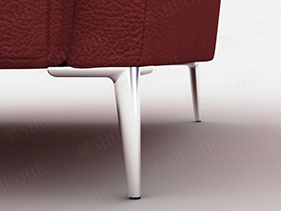
Metal legs are an excellent choice for furniture, offering a combination of strength, style, and versatility. Their robust nature provides significant support and stability, making them ideal for heavy furniture pieces such as tables and chairs. Unlike wood or plastic, metal legs can withstand wear and tear without compromising durability. This makes them particularly suitable for environments that experience high traffic or heavy usage, such as offices or family homes.
In terms of style, metal legs come in a variety of finishes that can complement any design aesthetic. Options such as brushed steel, polished chrome, and matte black can offer a modern, industrial look, while antique bronze or copper finishes can add a touch of elegance and warmth. Additionally, metal legs can be easily painted or coated to match specific color schemes or to achieve a unique design. This flexibility in finishing options allows for endless customization, enabling furniture makers and designers to create pieces that not only meet functional needs but also enhance the overall visual appeal of a space.
Plastic and Composite Legs: Affordable Choices for Modern Furniture
When it comes to modern furniture design, plastic and composite legs are becoming increasingly popular due to their balance of affordability, durability, and contemporary aesthetics. According to a report by the Furniture Industry Research Association, the use of composite materials in furniture manufacturing has grown by over 20% in the last five years, driven by a rising consumer demand for sustainable and cost-effective solutions. These materials often combine recycled plastics with other agents, offering a sturdy structure while maintaining a lightweight profile ideal for a variety of furniture styles.
In addition to their affordability, plastic and composite legs are known for their versatility and performance. For instance, the strength-to-weight ratio of composite materials can significantly outperform traditional wood options, making them less prone to warping or breaking under pressure. A recent market analysis highlighted that furniture with composite components not only decreases production costs but also provides an environmentally friendly alternative, appealing to the increasing number of eco-conscious consumers. As more designers embrace these materials, furniture leg options are becoming stylish without compromising on quality or sustainability, which is essential in today's competitive marketplace.
Choosing the Right Material for Specific Furniture Styles
When choosing the right material for furniture legs, it is essential to consider both durability and the overall style of the piece. For modern and minimalist designs, metals such as stainless steel or aluminum are excellent choices. Their sleek, clean lines and reflective surfaces provide a contemporary aesthetic, while their inherent strength ensures that they can withstand heavy use over time. Furthermore, these materials are easy to maintain, making them ideal for households with active lifestyles.
On the other hand, classic furniture styles often benefit from the warmth and richness of wood. Hardwoods like oak, walnut, and maple are not only strong but also add character and elegance to traditional designs. Each type of wood has its unique grain and finish, allowing for a range of looks, from rustic to refined. For those seeking a more eco-friendly option, bamboo is an increasingly popular choice; it offers similar strength to hardwoods while being sustainable. Selecting the right leg material that complements the overall style ensures that the furniture is both functional and visually appealing, enhancing the decor of any room.
Maintenance Tips for Different Materials to Enhance Longevity
When choosing furniture legs, the material can significantly affect both durability and style. Common choices include wood, metal, and plastic, each requiring distinct maintenance to ensure longevity. For wooden legs, regular polishing with a quality furniture polish can help maintain their finish and protect them from moisture damage. Avoid placing wooden furniture in direct sunlight, as it can cause fading and warping over time.
Metal legs are praised for their stability and modern aesthetic. To keep them looking their best, periodically wipe them down with a damp cloth to remove dust and grime. Applying a rust-resistant spray can also enhance their lifespan, especially in humid environments. When dealing with plastic legs, a simple cleaning with mild soap and water is often sufficient. Avoid using harsh chemicals that can cause discoloration or degradation of the material. Regular inspection for cracks or wear is crucial, as prompt attention can prevent further damage.
By incorporating these maintenance tips, you can extend the life of your furniture legs while keeping them stylish and functional. Remember that appropriate care depends on the specific materials used, so adjust your cleaning routine accordingly to ensure your furniture remains in excellent condition over time.
Eco-Friendly Options for Sustainable Furniture Leg Designs
In the pursuit of sustainable furniture design, eco-friendly materials for furniture legs have emerged as top choices for both durability and style. According to a report by the World Green Building Council, using sustainably sourced materials can significantly reduce the environmental impact of furniture manufacturing. For instance, wood from certified forests not only minimizes deforestation but also contributes to carbon sequestration, making it a vital option for furniture legs. Bamboo, a fast-growing plant, is another eco-conscious alternative; it boasts a tensile strength greater than steel while also offering a stylish aesthetic suitable for contemporary designs.
Additionally, recycled materials are gaining traction in the furniture industry. A study from the Ellen MacArthur Foundation highlights that using recycled metals and plastics in furniture construction can cut down on raw material extraction and energy consumption by as much as 70%. This approach not only gives new life to discarded materials but also aligns with the growing consumer demand for sustainable product options. As a result, eco-friendly furniture leg designs are now seen as a trend that balances durability and visual appeal, allowing designers to create bold and innovative pieces that are kinder to the planet.
Elevate Your Outdoor Space: The Versatility of Black Stainless Steel Round Dining Tables for Cafés
When it comes to enhancing outdoor spaces, black stainless steel round dining tables stand out for their contemporary elegance and versatility. The sleek, modern aesthetic of these tables makes them an ideal choice for cafés, blending seamlessly into various outdoor settings while providing a durable solution for various weather conditions. According to a report by IBISWorld, the outdoor furniture market is expected to grow steadily, driven by an increasing inclination towards outdoor dining experiences and leisure activities. As a staple in many modern cafés, these dining tables not only attract customers but also enhance the overall ambiance.
Take, for instance, the coffee table S1439, which exemplifies the beauty and functionality of black stainless steel. With dimensions of 409.5*331.5*513mm, this coffee table perfectly fits into both small and large outdoor settings, providing customers with ample space to enjoy their meals. Its contemporary design appeals to a wide demographic, making it a desirable addition to outdoor furniture collections for hotels, homes, and offices alike. Studies show that investing in high-quality outdoor furniture can increase customer satisfaction in cafés by up to 20%, as patrons appreciate not only the aesthetics but also the comfort that durable and stylish furniture provides.
Moreover, the rise in alfresco dining, spurred by recent lifestyle changes, emphasizes the need for adaptable outdoor furniture options. Black stainless steel round dining tables are not only durable and resistant to rust and corrosion but also offer a timeless appeal that enhances any café's outdoor space. The combination of functionality and style makes these tables an optimal choice, ensuring that cafés can provide an inviting atmosphere for outdoor dining while meeting the evolving preferences of their customers.
FAQS
: Wooden legs are known for their aesthetic appeal and durability, with hardwoods providing strength and longevity that can last for decades.
Hardwoods like oak and maple are stronger and more durable compared to softer woods, which tend to wear down faster and are more susceptible to scratches and dents.
Applying protective finishes or treatments, such as varnish, can help maintain wood integrity against moisture and wear, while heat treatment processes can improve resistance to warping.
Choosing sustainably sourced materials supports responsible forestry practices and can reduce the overall environmental impact of furniture manufacturing.
Inspecting grain patterns and knots can enhance the beauty of the furniture and may also indicate the strength and durability of the wood.
Bamboo is a fast-growing plant with a tensile strength greater than steel, making it a strong and stylish eco-conscious alternative for furniture design.
Using recycled metals and plastics in furniture can significantly reduce raw material extraction and energy consumption, helping to minimize environmental impact.
Eco-friendly furniture leg designs are becoming popular as they offer a balance between durability, style, and reduced environmental impact.
It is essential to confirm that furniture legs are structurally reinforced to ensure lasting durability for larger items.
Conclusion
The article "Best Materials for Furniture Legs: Top Choices for Durability and Style" provides a comprehensive overview of various furniture legs materials, highlighting their unique characteristics and suitability for different furniture styles. It explores wooden legs, discussing their advantages and disadvantages, along with the best wood types for durability. Metal legs are also examined for their strength and aesthetic appeal, while plastic and composite options present affordable, modern alternatives.
Choosing the right furniture legs material is crucial for combining functionality with design. The article further emphasizes maintenance tips to enhance the longevity of each material, along with eco-friendly options for sustainable furniture leg designs. This holistic approach ensures that readers are well-informed to select the best material that meets their specific needs and style preferences.

 Sofa Legs


