When it comes to interior design, picking the right Sofa Frame is kind of a big deal — it really sets the vibe and comfort level of your living space. Honestly, with so many styles and materials out there, finding that perfect frame can feel both exciting and a little overwhelming at the same time. Whether you’re into the sleek, modern looks or prefer something more traditional and cozy, understanding the different types of sofa frames can help you make a choice that’s really right for your style and budget.
Now, as we dive into the top 10 sofa frame options, we’re gonna look at a variety that suits pretty much every taste and wallet. From tough hardwood frames that last ages to lightweight metal ones that are totally in trend, each has its own unique vibe. In today’s world, where personal expression through home decor is more cherished than ever, picking the right sofa frame isn’t just about functionality — it’s a chance to really bring personality into your space and make it inviting for friends and family. So, let’s walk through the different styles and features, and find that perfect sofa frame that fits your home and your lifestyle."

Understanding Sofa Frame Types: An Overview
When selecting the right sofa, understanding the different types of sofa frames is essential for making an informed decision that aligns with your aesthetic and budget. The frame of a sofa is the backbone of its structure, influencing durability, comfort, and if it suits various interior styles. There are typically five main types of sofa frames: hardwood, softwood, metal, upholstery, and particleboard. According to recent industry reports, hardwood frames—typically made from beech or oak—are favored for their strength and longevity, often lasting over 25 years.
Conversely, softwood frames, while more affordable, are generally less durable, with an average lifespan of 10 to 15 years. Metal frames offer a contemporary aesthetic and can be quite durable, making them popular in modern and industrial designs. Meanwhile, upholstered frames add extra cushioning and can fit seamlessly into more eclectic or vintage styles. However, they often compromise on sturdiness compared to solid wood frames. Particleboard frames, commonly found in budget-friendly options, are lightweight but can deteriorate quickly if subjected to heavy use.
Understanding these frame types can greatly assist consumers in choosing a sofa that fits not only their style preferences but also their lifestyle needs and budget constraints. Research indicates that investing in a quality frame can significantly enhance the longevity of a sofa, making it a crucial consideration for anyone looking to furnish their living space.
Key Materials Used in Sofa Frames and Their Characteristics
When selecting a sofa frame, the materials used are pivotal in determining durability, comfort, and overall aesthetic appeal. Commonly used materials include hardwood, softwood, plywood, and metal, each offering unique characteristics that cater to diverse consumer needs. According to the American Home Furnishings Alliance, sofas made from solid hardwood frames are notably more durable and stable than their softwood or particle board counterparts, often exhibiting lifespans exceeding 20 years with proper care.
Metal frames are another option, known for their strength and lightweight properties. They are particularly popular in modern and industrial designs. A recent survey by the International Furniture Fair indicated that 25% of consumers prefer metal frames for their minimalist aesthetic and ease of maintenance. Plywood frames, while more affordable, can provide commendable value if constructed with high-quality materials. Many designers recommend a plywood frame that is layered and bonded for additional sturdiness, as this can elevate the performance of lower-cost sofas while remaining budget-friendly.
In terms of upholstery, the frame's materials also influence the choice of padding and finish. High-density foam is commonly used in conjunction with sturdy frames to provide comfort without compromising support. Industry experts suggest that foam density significantly affects long-term comfort, with densities above 2.2 pounds per cubic foot being ideal for everyday use. Ultimately, understanding the relationship between frame materials and overall sofa quality is vital for consumers aiming to invest in lasting furniture that meets their stylistic and financial needs.
Traditional Wooden Sofa Frames: Durability and Aesthetics
Traditional wooden sofa frames are a timeless choice for those seeking both durability and aesthetic appeal. These frames are typically crafted from hardwoods like oak, maple, or cherry, known for their strength and resilience. The robust nature of wooden frames ensures they can withstand daily use while providing stability and support for years. Furthermore, the natural grains and textures of wood can enhance the visual warmth of any living space, making it feel inviting and sophisticated.
In addition to their functionality, traditional wooden sofa frames contribute to various interior design styles, from classic to contemporary. The versatility of wood allows it to blend seamlessly with different decor themes, making it easy to integrate into an existing setting. Whether you prefer a distressed finish for a rustic look or a polished surface for modern aesthetics, wooden frames can be adapted to suit your personal taste. Overall, traditional wooden sofa frames represent a remarkable fusion of practicality and elegance, standing as a strong focal point in any home.
Top 10 Sofa Frame Types for Every Style and Budget - Traditional Wooden Sofa Frames: Durability and Aesthetics
| Frame Type | Material | Durability | Aesthetic Style | Price Range |
| Standard Wooden Frame | Solid hardwood | High | Traditional | $800 - $1500 |
| Reclaimed Wood Frame | Reclaimed wood | Moderate | Rustic | $600 - $1200 |
| Pine Frame | Pine wood | Low | Cottage | $300 - $600 |
| Birch Frame | Birch wood | Moderate | Contemporary | $500 - $1000 |
| Maple Frame | Maple wood | High | Classic | $700 - $1400 |
| Oak Frame | Oak wood | Very High | Traditional | $900 - $1800 |
| Cherry Frame | Cherry wood | High | Elegant | $800 - $1600 |
| Teak Frame | Teak wood | Very High | Exotic | $1200 - $2500 |
| Bamboo Frame | Bamboo | Moderate | Eco-friendly | $400 - $800 |
| Composite Frame | Plywood and MDF | Low to Moderate | Modern | $200 - $500 |
Metal Frames: Modern Design and Structural Integrity
Metal frames have emerged as a prominent choice in the furniture industry, particularly in the design of sofas. Their modern aesthetic appeals to a wide range of consumers, offering a sleek and industrial look that complements contemporary home décor. According to a recent report by Research and Markets, the global furniture market is expected to grow significantly, with a projected CAGR of 4.5% from 2021 to 2026. This growth can be attributed, in part, to the increasing popularity of metal-frame furniture, which emphasizes both style and structural integrity.
One of the key advantages of Metal Sofa Frames is their durability and strength. Unlike traditional wooden frames, metal frames resist warping, cracking, and other forms of deterioration that can occur over time. A study published in the Journal of Architectural Engineering found that steel frames, for instance, have a tensile strength that is 20% higher than that of hardwood, making them ideal for heavy usage in homes and public spaces. Furthermore, metal frames often require less maintenance, leading to reduced long-term costs for consumers. As eco-consciousness spreads, many manufacturers are also embracing recyclable materials, enhancing the sustainability profile of metal sofa frames and aligning with consumer demand for environmentally friendly products.
Fabric and Upholstered Sofa Frames: Style and Comfort
When selecting a sofa frame, comfort and style are paramount considerations, particularly for fabric and upholstered types. According to the American Home Furnishings Alliance, over 70% of consumers prioritize comfort when choosing upholstered furniture. The right fabric choice not only enhances the aesthetic appeal but also contributes significantly to the overall comfort of the piece. Common materials, such as cotton, linen, and polyester blends, each come with distinct characteristics that cater to various preferences. For instance, cotton offers breathability and ease of cleaning, while linen provides a luxurious texture. Data from the Furniture Today report shows that there's been a marked increase in demand for eco-friendly upholstered options, with consumers willing to pay up to 10% more for sustainable materials.
Moreover, the structural integrity of the sofa frame itself can influence both comfort and longevity. A solid wood frame typically offers superior durability compared to particleboard or metal options, making it a long-term investment. The North American Furniture Retail Association indicates that 60% of consumers prefer traditional frame materials for their ability to withstand regular use. Additionally, framing techniques, such as dovetail joints and corner blocks, further enhance stability and comfort, which are essential for maintaining the sofa's shape over time. The interplay between frame construction and upholstery not only affects the visual aesthetics but also plays a crucial role in the sofa's overall feel and performance, catering to various style preferences and budget ranges.
Budget-Friendly Options: Cost-Effective Sofa Frame Solutions
When it comes to furnishing your living space on a budget, selecting the right sofa frame is essential. Many affordable options offer both style and durability without sacrificing quality. For instance, a well-constructed wooden frame, often made from softwoods or manufactured wood, provides a solid foundation while remaining cost-effective. These frames can be easily paired with various upholstery choices, making them versatile enough to fit any decor theme.
Another economical alternative is the metal sofa frame, which is increasingly popular for its lightweight and modern appeal. Metal frames are typically resistant to wear and tear, ensuring longevity even in high-traffic areas. Additionally, many designs feature a minimalist aesthetic that complements contemporary styles, making them an ideal choice for those looking to create an upscale look on a limited budget. By exploring these budget-friendly options, you can find a sofa frame that meets your style needs while keeping your finances in check.
Choosing the Right Sofa Frame for Your Home Decor Style
When selecting the right sofa frame for your home decor style, it’s essential to consider both aesthetic and functional aspects. According to a 2022 report from the American Home Furnishings Alliance, over 70% of consumers prioritize style when purchasing furniture, yet durability and comfort also play critical roles. Selecting a frame that complements your existing decor while supporting your lifestyle can enhance your living space significantly.
For a modern aesthetic, streamlined frames made from metal or solid wood can offer a sleek look. On the other hand, traditional styles may benefit from tufted upholstery or ornate wooden frames that evoke a sense of classic elegance. It's important to evaluate the material—be it hardwood, engineered wood, or metal—since the frame affects not just the look but the longevity of the sofa. Experts recommend opting for frames made from kiln-dried hardwood, as they tend to withstand the test of time, often outperforming cheaper alternatives in terms of stability and structure.
Tips: When choosing a frame, think about your lifestyle: Do you have kids or pets? If so, a robust, simple frame is a practical choice. For those who entertain frequently, consider frames with removable slipcovers for easy cleaning. Lastly, ensure any frame selected has a warranty; typically, a warranty of 5 years or more indicates a quality build.
Enhance Your Home Decor: The Benefits of Upgrading to Stylish Gold Metal Sofa Legs
Upgrading your home decor can make a significant difference in the ambiance and functionality of your space. One stylish way to enhance your furniture is by replacing traditional Sofa Legs with contemporary gold metal legs. These legs not only bring a touch of elegance but also provide durability and mobility. Made from aluminum, these legs are both lightweight and sturdy, with a height of 230mm, making them perfect for various furniture pieces, including sofas, chairs, and even outdoor settings.
The trend towards minimalism and modern aesthetics in home design has driven a demand for stylish furniture accessories. According to a recent industry report, consumers are increasingly gravitating towards furniture that combines functionality with trendy design elements. The gold metal sofa legs not only align with this trend but also elevate the visual impact of your furniture. Their sleek and fashionable look can transform an ordinary piece into a statement item, reflecting your personal style and enhancing the overall decor of your home.
Furthermore, the versatility of gold metal sofa legs allows them to be incorporated into various environments, from home interiors to office spaces and even hotels. This adaptability makes them an excellent investment for anyone looking to refresh their space without a complete overhaul. By focusing on key design elements like these stylish legs, you can easily create a cohesive and modern aesthetic within your home or any professional setting.
FAQS
: Common materials include hardwood, softwood, plywood, and metal. Hardwood frames are durable and stable, lasting over 20 years with proper care. Metal frames are strong and lightweight, popular for modern designs. Plywood frames can be affordable and offer decent value if made with quality materials.
The materials used for the frame can influence the choice of padding and finish. High-density foam is often paired with sturdy frames to provide comfort while ensuring support. Foam density plays a significant role in long-term comfort, with higher densities recommended for everyday use.
Popular upholstery materials include cotton, linen, and polyester blends. Cotton is breathable and easy to clean, while linen offers a luxurious texture. These materials impact both aesthetic appeal and comfort.
Solid wood frames provide superior durability compared to particleboard or metal frames, making them a long-term investment. They are less likely to wear down with regular use, ensuring longevity.
Techniques such as dovetail joints and corner blocks can enhance the structural integrity of a sofa frame. These methods contribute to the stability, shape retention, and overall comfort of the sofa.
Yes, there is a growing demand for eco-friendly upholstered options. Consumers are willing to pay up to 10% more for sustainable materials, reflecting a shift towards more environmentally-conscious purchasing decisions.
Comfort is a top priority for many consumers, with over 70% indicating it as their main consideration. The right fabric and frame combination can significantly enhance overall comfort.
Consumers should consider material durability, design aesthetics, comfort, and structural integrity when selecting a sofa frame. Understanding how these factors interplay helps in making an informed investment.
The choice of padding, particularly foam density, directly affects comfort and support. Higher foam densities are better suited for daily use, ensuring that the sofa maintains its comfort and shape over time.
The way a frame is constructed influences the sofa's aesthetics and comfort. Quality construction methods contribute to stability and support, enhancing the overall experience for the user.
Conclusion
The article "Top 10 Sofa Frame Types for Every Style and Budget" provides a comprehensive overview of the various types of sofa frames, catering to diverse tastes and financial considerations. It begins by explaining the significance of understanding different sofa frame types, emphasizing how they influence both the functionality and aesthetics of furniture in a living space. The discussion covers key materials such as wood, metal, and upholstery, highlighting their unique characteristics, durability, and design appeal.
Furthermore, the article explores budget-friendly options for those seeking cost-effective solutions without sacrificing quality. By examining traditional wooden frames known for their classic beauty, modern metal frames that offer structural integrity, and comfortable upholstered frames, readers gain insights into selecting the ideal sofa frame that complements their home decor style while fitting their budget. Overall, this information empowers consumers to make informed decisions when choosing a sofa frame that aligns with their lifestyle and preferences.

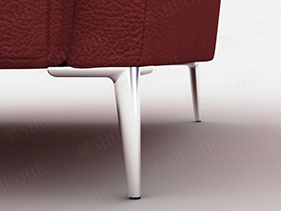 Sofa Legs


