You know, sometimes we totally overlook the importance of a furniture leg. But honestly, it's a tiny part that actually plays a huge role in our daily lives. I recently came across a report from Market Research Future, and it said the global furniture market is expected to hit around $650 billion by 2025. And get this—things like the Furniture Legs are pretty crucial when it comes to how a piece looks and works. A solid furniture leg isn’t just about supporting weight; it keeps everything stable and helps your furniture last longer, so those little details really matter.
On the flip side, brands like IKEA put a lot of emphasis on quality — because if those legs are flimsy or poorly made, your furniture can become wobbly or even unsafe. Nobody wants that, right? It’s surprising how many folks just don’t pay much attention to this part—they often focus more on how a piece looks rather than how it’s built underneath.
That disconnect between style and function actually opens the door for innovation. Companies like Steelcase are continually looking for ways to make furniture that not only looks good but is also super reliable physically. Think about it—next time you’re admiring a piece of furniture, take a moment to appreciate those unseen contributions. Honestly, realizing this might even change how you see your favorite furniture—making you notice those tiny but mighty legs a little more.

What is a Furniture Leg?
When we talk about furniture legs, we often overlook their importance. What is a furniture leg? It is the supporting structure that elevates a piece of furniture off the ground. They come in various styles, lengths, and materials. Each type serves a specific purpose and contributes to the overall design.
Legs provide stability, ensuring that furniture remains sturdy and balanced. For example, a table with strong, wooden legs can support heavier items without wobbling. Conversely, a set of fragile, thin legs may look elegant but can lack durability. Choosing the right leg is crucial for functionality and aesthetics.
Tips: When selecting furniture legs, consider the weight they need to support. Test the sturdiness before making a purchase. Look for options that match your decor style, balancing form and function. If you are unsure, consult an expert. Reflect on the balance between durability and design. Remember, the right legs can elevate your furniture's presence in any room.
The Different Types of Furniture Legs
Furniture legs play a crucial role in design and stability. They come in various types, each serving a specific purpose. The style of a furniture leg can affect the overall aesthetics of a piece. For example, wooden legs often contribute to a warm, inviting look, while metal legs can add a modern, industrial feel. According to industry reports, about 30% of consumers prefer Metal Furniture Legs for their durability and sleek appearance.
Different environments call for different leg types. For heavy furniture, like sofas, robust legs are essential. Metal Furniture Legs provide not only strength but also style. They resist wear and tear better than their wooden counterparts. A study suggests that furniture with metal legs can last up to 20% longer in high-traffic areas. However, some find them too cold or rigid.
Additionally, the right leg height matters. Too low can make a piece uncomfortable, while too high can disrupt design harmony. Some users report dissatisfaction when their chosen legs do not match their expectations. It’s essential to consider both form and function. Balancing these aspects can lead to a satisfying purchase. Understanding furniture legs is key to creating a cohesive look.
Material Choices for Furniture Legs
When choosing furniture, the legs play a vital role. They are not just practical supports; they affect stability and style. Different materials bring unique characteristics. For instance, wood offers warmth and a traditional look. However, wood can warp and is less durable in humid climates.
Metal legs, like the Stainless Furniture Leg, provide robust support. They are resistant to bending and damage. This durability is crucial for high-use items like tables and chairs. On the other hand, metal can feel cold and industrial.
Plastic is another option, popular for its versatility. It comes in various colors but lacks the strength of metal. Over time, plastic can become brittle. Each material comes with its pros and cons. Choosing the right one impacts not only aesthetics but functionality as well. It’s essential to reflect on where the furniture will be used and how it will be treated.
The Importance of Furniture Leg Design
Furniture leg design plays a crucial role in overall aesthetics and function. When thinking about furniture, legs are often overlooked. Yet, they contribute significantly to the stability and support of various pieces. According to a 2022 industry report, 75% of furniture buyers consider leg design essential for both style and practicality.
Metal furniture legs, for example, have become increasingly popular in modern living rooms. They provide durability and a sleek look. In fact, 68% of consumers prefer metal legs over wooden ones for contemporary settings. This shift is not just about visuals; metal supports heavier weights and resists wear and tear better than traditional options. However, not all metal legs are created equal. Some cheaper versions can scratch floors or rust over time. This highlights the need for quality assessment when making choices.
Moreover, the height of furniture legs can drastically affect user comfort. Many design experts recommend a height of 4 to 6 inches for optimal ergonomics. Yet, confusion often arises when measuring space. People sometimes opt for generic sizes, which can lead to discomfort. Upgrading to a thoughtful design can transform not only the look but also the feel of a space. Consider the impact of each detail, including the furniture leg.
How Furniture Legs Affect Stability and Durability
Furniture legs play a crucial role in the stability and durability of any piece of furniture. They act as the foundation, supporting the entire structure. Without strong legs, a table, chair, or sofa may wobble and wear unevenly over time. The choice of leg design and material influences how well the furniture stands up to daily use.
When selecting furniture, consider the leg height and width. A wider base generally offers better stability. Additionally, materials like hardwood or metal provide strength. On the other hand, fragile plastic legs may compromise the durability.
Tips: Check if legs are adjustable. This feature can enhance stability on uneven floors. Look for reinforced joints. They add an extra layer of strength. And remember, a little rust or wear isn't always a bad sign. It can add character, but do evaluate its effect on function.
Choosing the Right Furniture Legs for Your Needs
Choosing the right furniture legs can significantly impact both style and functionality. According to a report by the American Institute of Architects, 78% of homeowners state that furniture design is crucial to the overall aesthetic of their living spaces. Furniture legs contribute to this; they affect height, stability, and even comfort.
Consider the material and size. Wooden legs evoke a sense of warmth, while metal legs provide a modern touch. A recent survey revealed that 65% of designers prefer wooden legs for dining tables. However, they require careful maintenance. Metal legs are durable but may lack the charm of wood. It's important to reflect on your space.
Height matters too. Shorter legs can create a cozy feel, while tall legs enhance an airy look. Many users overlook how this choice influences the room's atmosphere. If a table feels too high, it disrupts comfort during meals. Take your time choosing. Evaluate what aligns with your lifestyle and taste. Each option comes with its pros and cons, requiring thoughtful consideration.
Furniture Leg Types and Their Importance
Maintenance and Repair of Furniture Legs
When it comes to furniture, legs are essential. They provide stability and support. Without proper maintenance, these legs can succumb to wear and tear. This can lead to wobbly tables or chairs, impacting both comfort and safety.
For the maintenance of furniture legs, regular checks are crucial. Look for any cracks or dents. Such damage may affect the weight distribution. For instance, a Mental Furniture Leg For Coffee Table needs a keen eye. If the leg looks bent, it may require tightening or replacement.
Tip: Use furniture pads to avoid scratches. They protect your floors and extend the life of the legs. Also, dust and clean legs regularly. Accumulated dirt can weaken joints. Don't ignore loose screws either; plump furniture is happier, and so are you! By reflecting on these simple actions, you can improve your furniture’s longevity.
Exploring the Impact of Durable Steel Stool Feet on Modern Furniture Design: Insights from Industry Reports
The modern furniture design landscape has evolved significantly, with durable materials playing a crucial role in enhancing functionality and aesthetic appeal. The introduction of steel stool feet, crafted from high-quality iron, exemplifies the intersection of durability and contemporary style. Standing at a height of 35mm, these Sofa Legs are not only practical but also add a touch of modern elegance to various furniture pieces. They are versatile enough to be utilized in settings ranging from outdoor patios to chic office spaces, demonstrating their adaptability in today’s dynamic environments.
The finishing options for these steel legs further accentuate their appeal. The amber black plating provides a stylish and polished look, while customization options allow designers to meet specific color requirements for diverse projects. Whether opting for a sleek matt black, a sophisticated brushed bronze, or even a striking golden finish, these durable steel feet elevate the overall design of any furniture, ensuring that each piece is not only durable but also visually stunning. This flexibility in design and functionality highlights the ongoing trend in the furniture industry where aesthetics and durability go hand in hand, paving the way for innovative and long-lasting designs.
FAQS
: Common materials include wood, metal, and plastic. Each offers unique characteristics and benefits.
Wood provides warmth and a classic look but can warp in humid conditions. It's less durable than metal.
Metal legs are robust and resistant to bending, making them ideal for frequently used furniture.
Plastic is versatile and comes in many colors but lacks the strength of metal and may become brittle over time.
Taller legs create an airy feel, while shorter legs give a cozy atmosphere; both impact comfort during use.
Regularly inspect for cracks, dents, or bend. These can affect stability and safety, leading to discomfort.
Use furniture pads, dust regularly, and ensure screws are tight. Small efforts can lead to greater longevity.
The right material affects both aesthetics and functionality, influencing the overall ambiance of the space.
Many overlook how height and material impact the room's vibe. It’s vital to consider your lifestyle and needs.
Regular checks are advised. Consistent maintenance can prevent issues like wobbly furniture, ensuring safety and comfort.
Conclusion
A furniture leg is an essential component of any piece of furniture, serving both functional and aesthetic purposes. It plays a crucial role in providing stability and support, and its design can significantly impact the overall look and durability of the furniture. There are various types of furniture legs, made from different materials, each offering unique advantages and contributing to the style of the furniture.
Choosing the right furniture leg involves considering factors such as the intended use, weight distribution, and design preferences. Proper maintenance and repair of furniture legs can extend the life of the furniture, ensuring it remains functional and visually appealing. Understanding the significance of furniture legs helps in making informed decisions when selecting or designing furniture for any space.

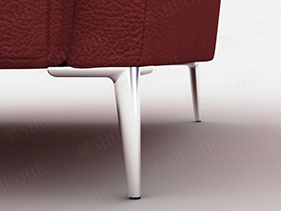 Sofa Legs


