
Leave Your Message
*Name Cannot be empty!
* Enter product details such as size, color,materials etc. and other specific requirements to receive an accurate quote. Cannot be empty
0%

When you're choosing metal legs for furniture, durability really matters. I mean, according to the National Association of Furniture Manufacturers, a lot of furniture failures come down to poor quality construction. Metal legs, on the other hand, add stability and are super resistant, which is why so many designers swear by them. The Institute of Furniture Manufacturing even says that using metal components can boost the lifespan of your furniture by up to 30%. Pretty impressive, right?

But here’s the thing—picking the right metal legs isn’t just about how they look. Different materials like steel or aluminum each have their perks. Steel is usually the go-to for its strength, while aluminum is much lighter. Of course, both come with their own sets of pros and cons, so it’s really about making an informed choice. If you skip a bit of research, you might end up replacing stuff sooner than you'd like or even running into safety issues.

Before you decide, take some time to think about what you actually need. Things like weight capacity and the style of your furniture are important. Not all metal legs are created equal, and brands like Wrought Studio or Modway have quite a few options—though the quality can vary quite a bit. That’s why doing your homework is so important before making a purchase. Trust me, a little extra research can save you from headaches down the road.

How to Choose Metal Legs for Furniture That Lasts?

Understanding the Importance of Metal Legs in Furniture Durability

How to Choose Metal Legs for Furniture That Lasts?

When selecting metal Legs For Furniture, durability is often overlooked. Metal legs offer a robust solution that enhances the furniture's lifespan. Unlike wood, metals resist warping and bending over time. They provide a steady foundation that can support heavy loads without compromising stability. Additionally, their resistance to moisture makes them ideal for various environments.

Choosing the right material is crucial. Steel and aluminum are popular choices. Steel is heavier and offers strength, while aluminum is lightweight and corrosion-resistant. Each has its pros and cons. Steel can rust if improperly finished, while aluminum may not support extreme weights. Understanding these details helps in making an informed decision.

It's also essential to consider the design. Metal legs come in various styles, ranging from industrial to modern sleek. The aesthetic impact can transform the look of your furniture. However, choosing a style that complements your space matters. Mismatched designs can create visual dissonance. Reflecting on these elements will ensure you create furniture pieces that not only last but also enhance your living environment.

Different Types of Metal Used in Furniture Legs and Their Properties

How to Choose Metal Legs for Furniture That Lasts?

When choosing metal legs for furniture, understanding the types of metals available is essential. Aluminum is lightweight yet strong. It resists rust, making it ideal for both indoor and outdoor furniture. Steel, another common option, offers durability. It can withstand heavy loads, but it may rust without proper care. Stainless steel, a higher-end choice, combines strength and aesthetic appeal. Its resistance to corrosion ensures a long lifespan.

Each metal has unique properties that can influence your decision. Brass, though less common, adds a touch of elegance. It develops a patina over time, creating a vintage look. Copper is warm and inviting but requires regular polishing to maintain its luster. While these variations enrich design possibilities, consider the maintenance effort required. Choosing Metal Furniture Legs involves balancing aesthetics with practicality. Think about how each metal will perform over time in your specific environment.

Factors to Consider When Choosing Metal Legs for Furniture

When selecting metal legs for furniture, various factors come into play. Material quality is crucial. Manufacturers often use steel or aluminum for their durability and strength. According to a recent industry report, steel legs can support up to 500 pounds, making them ideal for heavy furniture. However, aluminum remains lightweight and resistant to corrosion. Understanding the intended use of the furniture can help in choosing the right material.

Design also plays a significant role. Metal legs come in various styles, from sleek and modern to rugged and industrial. This diversity allows for better integration into different decor styles. An aesthetic mismatch can make even the sturdiest furniture feel off-balance. Furthermore, attention to finishes is vital. Powder-coated surfaces are popular as they resist scratches and maintain appearance over time. A report by the Furniture Manufacturing Association revealed that finishes affect customer purchasing decisions, with 72% preferring durable options.

Another consideration is the leg height. Depending on the type of furniture, height can impact both usability and comfort. Standard Dining Table Legs measure around 28-30 inches, while coffee tables are usually lower. Height variations can change the overall functionality. Opting for adjustable legs may seem appealing, but they can introduce instability if not properly designed. Balancing design and functionality requires thorough evaluation, yet achieving this balance is often overlooked.

Durability Factors for Metal Legs in Furniture

Style and Design: How to Match Metal Legs with Your Furniture Aesthetic

When selecting metal legs for your furniture, consider the overall aesthetic. Black Metal Furniture Legs can deliver a modern touch. They pair well with both minimalist and industrial designs. The contrast between black and natural wood or vibrant colors creates an eye-catching look.

Think about the shape and style of the table or chair. Sleek, angular legs may suit contemporary settings, while rounded or ornate styles fit more traditional interiors. However, achieving harmony isn’t always easy. Some designs clash when paired incorrectly. It's essential to visualize how elements interact in the space.

Don’t forget the finishing touches. Matte finishes can provide a subtle elegance, while glossy surfaces add a touch of glam. Combining textures, such as a rough wood table with smooth black metal legs, can enhance depth. Yet, balancing these contrasts sometimes feels tricky. Reflect on your choices and ask for feedback to ensure your furniture remains cohesive and appealing.

How to Choose Metal Legs for Furniture That Lasts? - Style and Design: How to Match Metal Legs with Your Furniture Aesthetic

Aspect Recommendation Material Types
Durability Opt for high-quality metals like stainless steel or powder-coated aluminum. Stainless Steel, Aluminum, Bronze
Aesthetics Choose legs that complement your furniture style (modern, rustic, industrial). Matte, Glossy, Brushed Finishes
Height Make sure the height suits your intended use, like dining or coffee tables. Standard, Adjustable Heights
Weight Capacity Select legs that can support the weight of your furniture and items. Heavy Duty, Standard
Finish Opt for finishes that match or contrast your furniture and protect against wear. Powder Coating, Polished, Hand-painted

Weight Capacity: Ensuring Metal Legs Support Your Furniture Properly

When selecting metal legs for furniture, weight capacity is crucial. Understanding the load your furniture will support helps in choosing the right legs. Poorly chosen legs can bend or break under pressure. This risk becomes particularly significant for heavy items like tables or large desks. For example, a dining table needs legs that can easily handle multiple diners’ weight.

Incorporating "China Metal Legs For Furniture" offers an array of options. Many solutions boast excellent weight capacity and durability. However, not all products are equal. Some may promise high strength but fail in real-world tests. Always check load ratings and user reviews to gauge reliability. Investing a bit more in quality parts can save future headaches—not to mention the costs of repairs or replacements.

Consider the design and material of the legs, too. Different compositions can impact stability. Sometimes, a stylish leg appears strong but lacks real support. Examine the thickness and joinery methods. A well-designed leg will enhance both the aesthetic and function of your furniture. Testing before purchase is vital. Look for signs of weakness, such as flex or poor welds, during assessments.

Maintenance Tips for Keeping Metal Furniture Legs in Top Condition

Metal furniture legs are known for their strength and durability. However, even the toughest materials require care. Regular maintenance ensures your metal legs remain resilient and attractive over time.

Start by dusting them weekly with a soft cloth. This removes dirt and prevents scratches during cleaning.

Next, inspect the legs for signs of rust or corrosion. Pay attention to joints and welds. If you notice any issues, act promptly. A light sanding and touch-up paint can restore their appearance. For cleaning, use a mild soap solution and a microfiber cloth. Avoid harsh chemicals, as they can damage the finish.

Sometimes, the wear and tear might be less visible. Scratches or dents may be minor but can accumulate. It's best to treat these early. Consider applying a protective coating every year. This step enhances longevity and maintains shine. Be mindful of the environment where the furniture is placed too. Excess humidity or extreme temperatures can challenge the metal legs. Overall, understanding these nuances allows your metal furniture to endure beautifully over the years.

Eco-Friendly Options: Sustainable Choices for Metal Furniture Legs

When choosing metal legs for furniture, sustainability is a crucial factor. Eco-friendly options are gaining traction in the furniture industry. A 2021 report by GlobalData indicated that 55% of consumers prioritize sustainable materials. This trend reflects a growing commitment to environmental responsibility.

Recycled metals are a prime choice for eco-conscious customers. Using repurposed aluminum or steel significantly reduces energy consumption during production. In fact, recycling one ton of aluminum saves up to 95% of the energy required for new metal. Not only do these options minimize waste, but they also maintain durability and style. They align well with the demand for Wholesale Metal Legs For Furniture, appealing to both manufacturers and consumers.

While choosing sustainable options, it’s essential to consider the entire lifecycle of the materials. Some recycled metals can still pose challenges in terms of sourcing and cost-effectiveness. A report from the National Institute of Standards and Technology noted that not all recycling processes are equal. It's vital to evaluate the source and manufacturing practices involved. Balancing eco-friendliness with practicality can lead to more informed purchasing decisions.

Enhancing Your Living Space: The Benefits of Stainless Steel Metal Furniture Legs for Modern Sofas

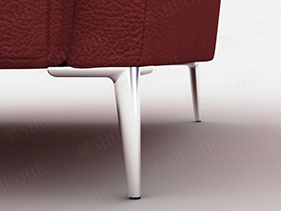
When it comes to enhancing your living space, the choice of furniture legs can make a significant difference in both aesthetics and functionality. Stainless steel metal furniture legs stand out as a modern solution for contemporary sofas, offering a sleek and stylish touch. These legs, particularly those crafted from high-quality stainless steel, not only provide the necessary support but also elevate the overall look of your furniture. With a height of 150mm, they strike a balance between style and practicality, complementing various design themes, whether for your home, outdoor areas, or commercial spaces.

One of the most appealing aspects of stainless steel furniture legs is their versatility. Their contemporary design makes them suitable for a range of environments, from chic residential interiors to elegant hotel lobbies and efficient office settings. These legs can withstand the wear and tear of daily use while maintaining their beautiful appearance, making them an excellent investment for any space. The combination of durability and modern aesthetics ensures that your furniture not only looks good but also lasts for years to come, making it a smart choice for anyone looking to upgrade their living area.

FAQS

: What materials are commonly used for metal legs in furniture?

: Steel and aluminum are popular choices. Steel provides strength, while aluminum offers lightweight and corrosion resistance.

Why is material quality important?

High-quality materials ensure durability and strength. Steel legs can support heavy weights, making them ideal for sturdy furniture.

How does design affect metal legs for furniture?

Design influences aesthetics and integration with decor styles. An incompatible style can make furniture feel unbalanced or misplaced.

What role do finishes play in furniture leg selection?

Finishes impact durability and appearance. Powder-coated surfaces resist scratches and are preferred by many consumers for long-lasting looks.

What is the average height for dining and coffee tables?

Dining table legs are typically 28-30 inches high. Coffee tables are usually lower, varying in height for different uses.

Are adjustable legs a good choice?

While adjustable legs offer flexibility, they can be unstable if not properly designed. It's important to balance usability with safety.

How can consumers make eco-friendly choices?

Opting for recycled metals like aluminum and steel reduces energy consumption. Sustainable options support environmental responsibility.

What should be considered for the lifecycle of materials?

Assess the sourcing and manufacturing processes of recycled metals. Not all options are cost-effective or environmentally friendly.

Is there a trend in sustainable materials?

Yes, many consumers now prioritize eco-friendly materials, reflecting a commitment to environmental concerns.

What challenges come with selecting sustainable options?

Sourcing and cost-effectiveness can be problematic. Evaluating those factors is crucial for informed decisions.

Conclusion

Metal legs for furniture play a crucial role in enhancing durability and stability. This article emphasizes the significance of selecting the right type of metal, such as stainless steel, aluminum, or wrought iron, each with distinct properties that affect longevity and resilience. When choosing metal legs, factors like weight capacity and compatibility with overall furniture design should be carefully considered to ensure aesthetic appeal and structural support.

Additionally, maintaining metal legs is essential for preserving their condition, with tips on cleaning and protecting against rust. The article also discusses eco-friendly options for those seeking sustainable choices in furniture design. By understanding these elements, consumers can make informed decisions regarding metal legs for furniture that not only complement their style but also stand the test of time.

Ethan

Ethan

Ethan is a dedicated marketing professional at Foshan ShuoShi Metal Products Co., Ltd., where he leverages his extensive knowledge of the company's offerings to drive brand awareness and customer engagement. With a strong focus on the metal products industry, Ethan specializes in highlighting the......
Previous How to Choose Metal Legs For Furniture That Last?