
Leave Your Message
*Name Cannot be empty!
* Enter product details such as size, color,materials etc. and other specific requirements to receive an accurate quote. Cannot be empty
0%

When you're picking out metal legs for your furniture, it’s super important to think about both durability and style. I’ve seen reports from Furniture Today showing that metal legs are really on the rise—actually, they now make up over 30% of furniture sales recently. This just goes to show that folks aren’t just after looks anymore; they want something that’s gonna last too. The sturdy support that good-quality metal legs provide helps your furniture handle everyday use without a hitch, ticking both functional and aesthetic boxes.

That being said, not all metal legs are equal. Some might catch your eye because they look pretty, but they can be pretty flimsy underneath. A 2022 study by Statista pointed out that many furniture problems come from cheap, poorly made parts. So, it’s really worth sticking with reputable brands—do a little digging into how the legs are made and where the materials come from. Better safe than sorry, right?

With so many options out there, it’s easy to get overwhelmed. My advice? Think about what actually matters most to you. Is it a sleek design that’ll make your space pop? Or maybe super-strong support to deal with heavy use? Once you figure out your priorities, it’s easier to make an informed choice when it comes to picking your metal legs. Remember, investing in quality isn’t just about style—it’s about making sure what you choose truly fits your lifestyle and needs.

How to Choose Metal Legs For Furniture That Last?

Understanding the Importance of Metal Legs in Furniture Durability

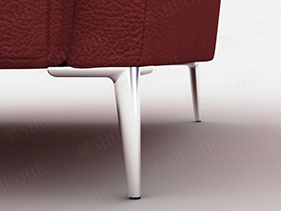
When it comes to furniture, the legs play a crucial role in its durability. Metal Furniture Legs are often chosen for their strength and resilience. They withstand daily wear and tear much better than wood or plastic. Their sturdy design supports heavy loads, making them suitable for various types of furniture, from tables to sofas. The durability of metal also means less maintenance. Unlike wood, metal won’t warp or crack over time.

Moreover, the aesthetic appeal of metal legs can enhance the overall look of your furniture. They offer a sleek, modern touch that can complement any decor. However, it’s essential to consider the type of metal used. Not all metals are created equal. Stainless steel offers great resistance to rust and corrosion. On the other hand, cheaper alloys might not perform as well long-term. Reflecting on your choices can help you avoid potential pitfalls.

A thoughtful selection of Metal Furniture Legs can make a significant difference in both function and style. Analyze your furniture's purpose. Will it be in a high-traffic area? If so, choose robust options. Ultimately, investing time in understanding metal leg options contributes to creating furniture that lasts.

How to Choose Metal Legs For Furniture That Last? - Understanding the Importance of Metal Legs in Furniture Durability

Material Type Weight Capacity (lbs) Rust Resistance Finish Type Cost Range ($)
Mild Steel 200 Low Powder Coated 50-100
Stainless Steel 500 High Brushed 150-300
Aluminum 300 Medium Anodized 100-200
Cast Iron 600 High Enamel Coated 200-400

Types of Metals Commonly Used for Furniture Legs

Choosing the right metal Legs For Furniture is crucial for durability and style. Several types of metals are commonly used, each with its own characteristics. Steel, for instance, is known for its strength and resilience. It can withstand heavy loads, making it ideal for tables and chairs. According to a recent industry report, steel furniture components can last over 20 years with proper care.

Aluminum is another popular choice. It is lightweight and resistant to corrosion. This makes aluminum legs suitable for both indoor and outdoor furniture. Reports indicate that aluminum structures can maintain their integrity even in harsh weather conditions. However, softer metals like aluminum may dent more easily than steel.

Brass offers a unique aesthetic that appeals to many designers. Its warm tones can add elegance to any piece. Yet, brass requires regular polishing to avoid tarnishing. This maintenance can be a drawback for some individuals. Balancing visual appeal with practicality is essential when selecting metal legs for furniture. Each option has its pros and cons, and making an informed choice will lead to furniture that lasts.

Factors to Consider When Choosing Metal Legs for Furniture

How to Choose Metal Legs For Furniture That Last?

Choosing metal legs for furniture involves several crucial factors. First, consider the material's durability. Different types of metals offer varying resistance to wear and tear. Steel is known for its strength, while aluminum is lightweight and resistant to corrosion. Assess where the furniture will be used. Indoor environments may require different specifications compared to outdoor settings.

Next, think about the design style. The legs should complement the overall aesthetic of the furniture. Sleek and modern designs may suit minimalistic decor, while ornate legs may fit vintage styles. Balance is key; you want the legs to enhance the piece without overpowering it.

**Tips**: Always test the legs for stability before finalizing your choice. A wobbly table or chair can be frustrating and unsafe. Look for legs with adjustable height features if you need flexibility. Also, don’t overlook the finish; a good finish can prevent scratches and rusting.

Pay attention to the weight capacity. Some legs can hold more weight than others. If your furniture will support heavy objects, opt for sturdier options. Remember, selecting the right metal legs is a blend of function and style.

Assessing Weight Capacity and Structural Integrity of Metal Legs

How to Choose Metal Legs For Furniture That Last?

When selecting metal legs for furniture, assessing weight capacity is crucial. Metal legs, particularly Black Metal Furniture Legs, need to support your design without compromising stability. Experts suggest checking load ratings. For instance, legs capable of supporting at least 200 pounds are ideal for most applications. This ensures safety and durability over time.

Structural integrity is equally important. The material and welding quality impact how long the legs will last. A report from the Furniture & Home Accents Today indicates that properly welded joints can prevent wobbling and bending. Consider legs made from high-grade steel for additional strength. They outperform lighter materials in terms of load-bearing capacity.

It's essential to consider potential defects in construction. A slight flaw in the weld can lead to failure under stress. Periodic inspection of furniture legs is advised. Even the best products may show signs of wear and tear over time, particularly if they bear heavy loads routinely. Be mindful of both the aesthetic and functional elements when choosing black metal furniture legs to ensure you make a wise investment.

Finishes and Coatings: Enhancing Aesthetics and Longevity

When selecting metal legs for furniture, finishes and coatings play a crucial role. They not only enhance aesthetics but also significantly impact durability. A well-chosen coating protects against scratches, rust, and corrosion. For instance, powder coating can provide a robust shield that resists wear over time. This finish offers a smooth surface and is available in various colors, making it an appealing choice for many furniture designs.

However, the choice of finish can also be a challenge. Certain coatings may look stunning initially but could wear poorly under heavy use. It’s essential to assess the environment where the furniture will be placed. Humidity and temperature variations can affect different finishes. Some might chip or discolor too easily, leading to unsightly furniture. Reflecting on the functionality versus aesthetics can help avoid common pitfalls.

Choosing the right finish requires balance. Durable finishes might not always align with style preferences. Incorporating textures can add depth, but might complicate cleaning. Knowing how to maintain these finishes is key. Regular cleaning and occasional touch-ups can extend the life of metal legs dramatically. This ongoing care offers a chance for reflection on personal preferences and practical needs.

Installation Techniques for Securely Attaching Metal Legs

When it comes to installing metal legs on furniture, proper techniques are vital for durability. Begin by choosing the right screws for your metal legs. Make sure they fit snugly, as loose screws can lead to instability. Use a power drill for precision, aligning the legs evenly. Remember to pre-drill holes to avoid splitting the wood.

Consider using brackets for added support. Metal brackets can distribute weight evenly and help secure the legs more firmly. It's an extra step, but it enhances stability. Look for brackets that complement your leg design. When using China Metal Legs For Furniture, check their designs and styles to ensure a good match.

Once installed, check for wobbling. A slight imbalance can signal a problem. If you notice any movement, re-evaluate your technique. It’s better to adjust now than to face more significant issues later. Taking the time to install correctly will prolong the life of your furniture. Observing these details can lead to a sturdier and longer-lasting piece.

Maintenance Tips to Extend the Lifespan of Metal Furniture Legs

When selecting metal legs for furniture, longevity is crucial. Maintenance is key to keeping them functional and visually appealing. Regularly inspect the legs for signs of corrosion or rust. If you notice any damage, address it immediately to prevent further deterioration. Keeping them clean is just as important. Use a mild soap solution to wipe them down. Avoid harsh chemicals that can erode the finish.

Humidity can affect metal components. If your furniture is in a damp area, consider using a dehumidifier. Apply a protective sealant designed for metal surfaces. This helps repel moisture and reduces the risk of rust formation. If the finish begins to fade, polishing it with the right product can restore its shine.

Investing in quality Wholesale Metal Legs For Furniture is wise. However, even the best products require care. Keep the environment in mind and adapt your maintenance routine accordingly. Regular care prevents small issues from becoming significant problems, ensuring your metal legs last for years.

Durability Comparison of Different Metal Legs for Furniture

This chart illustrates the durability ratings of different types of metal legs used in furniture. Steel and stainless steel provide the highest durability, making them ideal choices for long-lasting furniture. Aluminum and iron have moderate durability, suitable for less intensive use.

FAQS

: What are common types of metals used for furniture legs?

: Common metals include steel, aluminum, and brass. Each has its own unique traits and uses.

Why is steel a popular choice for furniture legs?

Steel is strong and resilient. It can support heavy loads, making it great for tables and chairs.

What are the benefits of aluminum furniture legs?

Aluminum is lightweight and corrosion-resistant. It works well for both indoor and outdoor furniture.

Does aluminum have any drawbacks?

Yes, aluminum dents more easily than steel. Consider how much wear and tear your furniture will face.

How does brass enhance furniture aesthetics?

Brass adds warm tones and elegance to furniture. However, it requires regular polishing to avoid tarnishing.

What role do finishes and coatings play in furniture legs?

Finishes enhance aesthetics and durability. They protect against scratches, rust, and corrosion.

Can all finishes withstand heavy use?

No, some finishes may wear poorly. Assess how your furniture will be used to choose wisely.

What are the maintenance needs for metal furniture legs?

Regular cleaning and touch-ups are necessary. This care helps ensure the longevity of your furniture.

How can humidity affect metal finishes?

Humidity can cause certain finishes to chip or discolor. Consider your environment when choosing a finish.

Is there a balance between style and durability in finishes?

Yes, finding a finish that combines style and durability is crucial. Reflect on your personal preferences and needs.

Conclusion

When selecting metal legs for furniture, understanding their significance in enhancing durability is crucial. Various types of metals, including steel and aluminum, are commonly used due to their strength and resilience. It's essential to consider factors such as weight capacity, structural integrity, and the desired aesthetic. Finishes and coatings not only improve the visual appeal but also contribute to the longevity of metal legs for furniture.

Successful installation techniques are key to securely attaching these legs, ensuring stability and safety. Additionally, regular maintenance, such as cleaning and checking for wear, will help prolong the life of metal furniture legs. By evaluating these elements, one can make informed decisions that enhance both the functionality and appearance of their furniture.

Sophia

Sophia

Sophia is a dedicated marketing professional at Foshan Shuoshi Metal Products Co., Ltd., where she leverages her extensive expertise to elevate the company’s presence in the metal products industry. With a keen understanding of the market dynamics and a passion for innovation, Sophia plays a vital......
Previous Top 10 Sofa Frame Tips for Smart Global Buyers