 When it comes to modern furniture, choosing the right Sofa Support Leg really shouldn't be overlooked. It's a small detail that can make a big difference—not just in how your furniture looks, but also in how well it works day to day. Looking at market trends, did you know the global furniture scene is expected to hit around $700 billion by 2025? And a lot of that interest is heading toward modular and customizable pieces, which is pretty exciting. Typically, companies like SHUOHE Industries Co., Ltd., based in Guangzhou's Tianhe district since 2004, really understand how important small components are for making furniture last and feel good to use. The guys behind it—Benny Ni, who handles growth and management, and Johnson Shen, focusing on market expansion and sales—are really onto something. They aim to bring innovative ideas to the table, especially with sofa support legs. Plus, knowing all the different options—from materials to styles—helps people pick what works best for their home decor and their lifestyle without feeling overwhelmed. Bottom line? Picking the right support leg isn’t just about looks; it’s about creating furniture that’s functional and durable too.
Understanding the Importance of Sofa Support Legs in Furniture Stability
Sofa support legs might seem like a small detail, but honestly, they’re pretty important when it comes to keeping your furniture stable and durable. I mean, these tiny parts are really the backbone of your sofa’s structure—they give it the support it needs to handle weight and stand up to everyday wear and tear. Without solid support legs, your sofa could get wobbly, start sagging in spots, or even worse, fall apart over time. So, picking the right support legs isn’t just about making your sofa look good—it’s also about making sure it stays safe and functional for everyday life.
And on a more personal note, the kind of support legs you choose can totally change the vibe of your living space. Whether you're into sleek metal legs for a modern look or some classic wooden ones for a cozy, traditional feel, the style, material, and height all play a part in the overall design. Take the time to pick the right ones — it’ll not only help your furniture last longer but can also give your home an extra style boost. Trust me, a small detail like that can really make a difference!

Key Materials Used in Sofa Support Legs and Their Impact on Durability
When selecting a sofa support leg, the material plays a crucial role in both durability and performance. Common materials include wood, metal, and plastic, each offering distinct advantages. Wooden legs, for example, are known for their aesthetic appeal and classic look, making them popular for traditional sofas. However, their susceptibility to warping or damage from moisture can be a drawback. On the other hand, metal legs, particularly those made from steel, provide exceptional strength and stability, ensuring that the sofa remains well-supported over time. They are less prone to wear and tear, making them an ideal choice for heavy-use furniture.
Moreover, the choice of material also affects the overall weight of the sofa and how it interacts with the floor. Sofas with heavier metal legs tend to stay in place better, reducing the chance of sliding and wear on flooring surfaces. Alternatively, lighter plastic legs may be more suitable for temporary settings or spaces where easy rearrangement is necessary, but they might compromise on support. By carefully considering the material of the sofa support legs, you can enhance not only the functionality and durability of your furniture but also its aesthetic appeal.
Analyzing Different Types of Sofa Support Legs: Which is Right for Your Furniture?
When you're picking the right support legs for your sofa, it’s pretty important to consider the different types out there. Looking at the 2022 Furniture Industry Report, it turns out that about 65% of folks really care about balancing style with functionality when they choose their furniture pieces. You’ll find support legs made from wood, metal, and plastic — each bringing its own set of perks. Wooden legs are super popular because they look nice and can hold a good amount of weight, making them perfect for bigger sofas. On the flip side, metal legs tend to have this sleek, modern vibe that’s perfect if you’re into a more contemporary look, plus they’re pretty durable too.
Also, the height of your Sofa Legs isn’t just about looks — it actually affects how comfortable and your overall experience on the couch. A2021 study in the Journal of Furniture Design mentioned that taller legs can make lounging more relaxed and laid-back, while shorter ones give off a cozier, more grounded feel, which might work better for formal spaces or just if you prefer that kind of vibe. Long story short, knowing these differences really helps you pick support legs that match your style and what you’re actually looking for in terms of comfort and function.

Weight Capacity Considerations: How to Choose the Right Sofa Leg for Your Needs
Picking out the right support legs for your sofa isn’t just about matching them to your decor — it’s also super important for staying safe and making sure everything stays steady. When you’re browsing, think about how much weight your sofa will actually be holding — that’s the weight of the sofa itself, plus any folks sitting on it, and maybe a few cushions or throws you toss on top. Figuring out that number will help you pick legs that can handle all that without a fuss.
And hey, when shopping for sofa legs, don’t forget to peek at the specs from the manufacturer. Go for materials like hardwood or metal — those tend to be way more supportive than plastic. Also, consider how tall the legs are and whether their style matches your sofa and overall room vibe. You want it to look good and work well.
Once you’ve got a sense of how much support you need, it’s time to think about putting them on. Make sure the legs are compatible with your sofa’s build. If you’re unsure, it’s totally okay to ask a pro or check the manual — putting in the wrong legs or installing them incorrectly could end up shaky or cause damage. Getting that right not only keeps everything safe and sturdy but also helps your furniture and room look balanced and nice overall.
Ultimate Guide to Choosing the Perfect Sofa Support Leg for Your Furniture - Weight Capacity Considerations
| Sofa Leg Material | Weight Capacity (lbs) | Height (inches) | Style | Cost ($) |
| Wood | 500 | 4 | Classic | 120 |
| Metal | 600 | 5 | Modern | 150 |
| Plastic | 300 | 3 | Contemporary | 50 |
| Composite | 400 | 4.5 | Rustic | 85 |
| Aluminium | 550 | 6 | Industrial | 200 |
Installation Tips for Sofa Support Legs: Ensuring Proper Alignment and Stability
When you're installing support legs on your sofa, making sure they’re properly aligned and stable is super important if you want your furniture to last and function well. I came across a report by the American Furniture Manufacturers Association – apparently, sofas that have good support and aren’t wobbly tend to last up to 30% longer than those that aren’t set up right. So, when you’re attaching those legs, grab a level! It’s a small step that makes a big difference because uneven legs can cause uneven weight distribution. That not only messes with how your sofa looks but can also weaken the whole structure over time.
And don’t forget to tighten those screws properly. A survey from the International Institute of Furniture Technology found that almost 40% of furniture damage happens because of incorrect installation. Using the right screws and making sure they’re tightened just right really matters. It’s also a good idea to check your sofa legs now and then for any signs of wear or looseness. Doing a quick check can save you from bigger headaches later on, keeping your sofa stable and looking good for years to come.
Ultimate Guide to Choosing the Perfect Sofa Support Leg
This chart represents the popularity of various sofa support leg materials based on a survey of consumer preferences. The data indicates a strong preference for wood and metal options, while decorative and plastic options are less favored.
Professional Recommendations: Industry Standards for Sofa Support Leg Dimensions and Design
Picking the right support legs for your sofa isn’t just about looks — knowing some industry standards can really make a difference. For example, the American Home Furnishings Alliance (AHFA) suggests that most sofa legs should be about 4 to 6 inches tall. That’s a sweet spot that gives your furniture a nice, balanced vibe and makes cleaning underneath a breeze. Oh, and don’t forget about the width and material of the legs — most experts agree that at least 2 inches wide for metal or wood legs is best to keep everything stable, especially since a typical sofa can weigh anywhere from 150 to 250 pounds.
Design-wise, it’s also good to think about how the legs match the style of your sofa. The National Furniture Manufacturers Association (NFMA) recommends that support legs should complement the overall look. For example, modern couches usually go for sleek, simple legs, while more traditional pieces might feature more ornate or turned styles. When it comes to materials, a 2022 study showed hardwood legs are generally preferred because they’re tougher and last longer — they can handle stress better than softer woods or particle board. By sticking to these tips, you can choose a sofa that not only looks great but also stands the test of time and support.
Transforming Modern Interiors: The Impact of T-Shaped Stainless Steel Accessories on Sofa Frameworks in Contemporary Furniture Design
The integration of T-shaped stainless steel accessories into contemporary furniture design has revolutionized how we perceive and utilize sofa frameworks. With their sleek lines and modern aesthetics, these stainless steel components offer not only structural integrity but also a stylish touch that enhances the overall design of any living space. Among the innovative options available, the S1985-120-00 Sofa Base exemplifies this trend perfectly. Crafted from high-quality stainless steel, its dimensions of 945*50*120mm make it an ideal choice for contemporary and versatile furnishings.
What sets the S1985-120-00 apart is its multifaceted application. Whether utilized in outdoor settings, hotels, offices, or homes, this sofa base seamlessly combines functionality with beauty. Its contemporary style ensures that it stands out as a fashionable centerpiece, captivating the attention of anyone who enters the room. The robust yet elegant design of the stainless steel material not only contributes to the longevity of the piece but also makes it suitable for various environments, proving that modern furniture can indeed marry form and function harmoniously. This innovation is set to redefine how we approach interior design, paving the way for a new era of stylish and durable furniture solutions.
FAQS
: The common types of sofa support legs include wood, metal, and plastic, each offering distinct advantages in terms of aesthetics, stability, and durability.
Wooden legs are appreciated for their aesthetic appeal and provide significant stability. They can support substantial weight, making them ideal for larger sofas.
Metal legs typically feature a sleek, modern design that is attractive to contemporary tastes, while also offering durability, making them a good choice for modern furniture.
Higher sofa legs tend to promote a relaxed posture suitable for casual lounging, while lower legs provide a cozier, grounded feel, which might be preferred in formal settings.
Proper alignment is crucial as it ensures even weight distribution, which can prolong the furniture's lifespan by up to 30% and maintain its structural integrity.
Improper installation can lead to misalignment, which affects appearance and can compromise the furniture's structural integrity, contributing to damage.
It is recommended to use a level to check the alignment of the legs and to use the correct screws, ensuring they are tightened to the appropriate torque.
It is advisable to periodically check the sofa legs for any signs of wear or looseness to prevent larger issues and to maintain stability and style.
According to a survey, improper installation accounts for nearly 40% of reported furniture damage cases in the industry.
Consumers should consider how the style, height, and material of the support legs complement their decor while also meeting their functional needs.
Conclusion
Sofa support legs might not seem like a big deal, but honestly, they’re pretty important when it comes to keeping your furniture stable and lasting longer. If you really get what these little guys do, you can actually boost how long your sofa stays in great shape. When choosing support legs, the material matters—a lot. Whether it’s wood or metal, each choice affects how strong they are and how they look. Plus, there are different styles of support legs out there, fitting various furniture designs and personal preferences. So, it’s worth taking a moment to think about which type works best for you.
And don’t forget about weight capacity — it’s super important to pick legs that can handle the load, whether that's just the sofa itself or the folks sitting on it. Installing them properly makes a big difference too — when they’re aligned right, your sofa stays sturdy and avoids future wobbling or issues. Industry experts often recommend certain dimensions and styles, which can help guide your choice. At SHUOHE Industries Co., Ltd., we totally get all this stuff. That’s why we offer high-quality sofa support legs that are designed to match modern furniture needs — sturdy, stylish, and built to last.

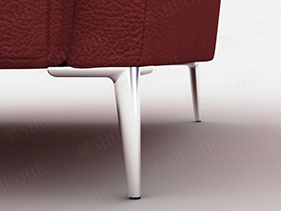 Sofa Legs


