Whenever you're talking about home decor, you quickly realize how important the right furniture really is. And you know what? The coffee table often ends up being the star of the show in a living room. Those little legs on a coffee table are more than just support—they actually influence both how good it looks and how well it works. Fun fact: a recent report from IBISWorld says that by 2025, the US furniture industry’s gonna hit around $70 billion in sales. That really shows how people are loving more personalized and stylish furniture choices these days. As folks put more effort into making their homes feel unique, it's worth knowing about the different kinds of Coffee Table Legs out there.
Each style of leg adds its own vibe to the table, and honestly, that can totally change the whole feel of a room. For instance, legs made of metal, wood, or acrylic each bring their own look and level of durability. And get this—Statista reports that about 55% of people now prefer furniture that’s not just pretty but also practical. Which basically means choosing the right legs isn’t just about looks; it’s about making the whole piece fit nicely into your home. Whether you're into a sleek modern look or something more classic, picking the right coffee table legs can seriously boost how usable and stylish your space feels overall.

Understanding Different Types of Coffee Table Legs
When selecting a coffee table for your home, understanding the different types of legs is crucial, as they significantly influence both the aesthetics and functionality of the piece. Coffee table legs come in various designs, providing unique enhancements to your decor. Some of the most popular styles include tapered legs, which offer a classic look; block legs, known for their sturdiness; and metal legs, which can introduce a contemporary touch. Each type can transform the overall appearance of your coffee table while ensuring stability and support.
In addition to style, consider the height and material of the legs when making your choice. Adjustable legs can be advantageous for those who want flexibility in their furniture arrangement, while wooden legs often provide warmth and a natural vibe. On the other hand, metal legs tend to exude a modern and industrial feel. Ultimately, the right leg type should complement your interior design, balance with other furniture pieces, and fit your practical needs, making it an essential factor in your coffee table selection.
Factors to Consider When Choosing Coffee Table Legs
When selecting coffee table legs, several key factors should be carefully considered to ensure both functionality and style align with your home décor. First and foremost, the material of the legs plays a crucial role in the table's overall aesthetics and durability. According to a 2022 industry report by the Home Furnishings Association, wood legs remain the most popular choice among consumers, accounting for over 40% of coffee table leg preferences due to their versatility and ability to complement various interior styles. Metal legs, while gaining traction for their modern appeal and strength, constitute about 25% of the market, suggesting a growing trend towards industrial and minimalist themes in home design.
Height and stability are also essential considerations. The standard height for coffee tables typically ranges from 16 to 22 inches, which works well with most sofas and seating arrangements. A recent survey indicated that consumers prioritize stability, noting that legs should be sturdy enough to support various uses, from holding beverages to serving as surfaces for decorative items. Furthermore, leg designs such as tapered or straight can impact both the visual weight and the perceived space in a room, making it important to choose a style that harmonizes with the surrounding furniture. Balancing these factors can elevate the functionality and aesthetics of your coffee table, ensuring it serves as a focal point in your living space.
Materials Commonly Used for Coffee Table Legs
When selecting the right legs for your coffee table, understanding the materials commonly used can greatly influence both the aesthetics and functionality of your furniture. Wood is a timeless choice, offering durability and warmth that can complement various interior styles. Solid hardwoods, like oak or walnut, provide sturdiness and a classic look, while lighter woods such as pine can present a more casual vibe.
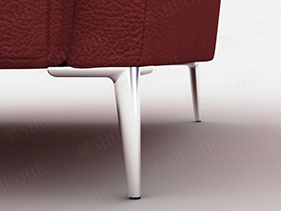
Metal legs, on the other hand, are ideal for modern and industrial designs. They come in various finishes such as chrome, brass, or matte black, allowing for unique styles that can make a bold statement. A mixed-material coffee table featuring both wood and metal legs can also add visual interest and texture to your space.
**Tips:** When choosing coffee table leg materials, consider the overall decor of your living space. If your home features a lot of natural elements, opt for wooden legs. Conversely, for a sleek, contemporary feel, metallic legs might be preferable. Additionally, always assess the weight and stability of the legs to ensure your table remains balanced and safe, especially if it has a glass top or will hold heavy items.
Coffee Table Leg Types and How to Choose the Right One for Your Home
| Leg Type | Material | Durability | Style | Price Range |
| Straight Legs | Wood, Metal | High | Modern, Minimalist | $50 - $150 |
| Tapered Legs | Wood | Medium | Classic, Vintage | $70 - $200 |
| Hairpin Legs | Metal | High | Industrial, Retro | $40 - $120 |
| Cabinet Legs | Wood, Plastic | Medium | Contemporary | $60 - $150 |
| Block Legs | Wood | High | Rustic, Farmhouse | $100 - $300 |
Design Styles of Coffee Table Legs and Their Impact
When selecting coffee table legs, understanding the various design styles can significantly influence the aesthetic and functionality of your living space. According to a recent report from the International Furniture Fair, modern and minimalist designs have surged in popularity, with over 64% of recent furniture purchasers opting for clean lines and understated elegance. Metal legs, often associated with industrial and contemporary settings, not only provide durability but also add a sleek sophistication to the overall design. On the other hand, wooden legs evoke warmth and can seamlessly integrate into traditional or rustic interiors, reinforcing the natural materials trend that has been favored in 2023.
The impact of coffee table leg styles extends beyond mere aesthetics; they can affect the perceived size and scale of the furniture in your home. For instance, tables with long, slender legs tend to create an illusion of spaciousness, making them suitable for small living areas. Research conducted by Home Design Institute shows that 72% of homeowners reported a more open feel in their rooms when using furniture with elevated legs. Conversely, chunky legs, often seen in farmhouse or mid-century modern designs, convey stability and ground the room, making them ideal for larger spaces. Understanding these design elements can help you choose the right coffee table legs that not only complement your home’s style but also enhance its spatial dynamics.
Types of Coffee Table Legs and Their Popularity
Balancing Functionality and Aesthetics in Leg Selection
When selecting coffee table legs, the balance between functionality and aesthetics plays a crucial role in enhancing the overall design of your living space. Functionally, the legs must provide adequate support and stability for the table's intended use, whether for holding drinks, books, or decorative items. A sturdy base is essential, especially for larger tables that might bear more weight. Additionally, the height and structure of the legs can influence the comfort of your seating arrangement. This means considering how the table's height complements your sofas or chairs, ensuring that it is easy to reach for items placed on the table.
On the aesthetic side, the leg design needs to harmonize with the existing decor of your home. Different styles—such as mid-century modern, industrial, or traditional—can dramatically alter the room's ambiance. Materials also play a vital role; wood legs can introduce warmth and texture, while metal legs bring a sleek and contemporary touch. When choosing, assess how the leg design interacts with other furniture and design elements, such as color palettes and patterns. Ultimately, selecting coffee table legs is about finding the perfect equilibrium where function meets visual appeal, creating a cohesive and inviting environment.
How to Measure and Ensure Proper Leg Height for Your Table
When selecting the right leg height for your coffee table, it’s essential to ensure functionality and comfort. The standard height for coffee tables typically ranges from 16 to 18 inches high. This measurement complements the average height of seating, which is around 18 to 20 inches from the ground. According to data from the American Home Furnishings Alliance, 85% of consumers prioritize comfort when choosing furniture, highlighting the importance of measuring properly to create a harmonious living space.
To measure your ideal leg height, start by assessing the height of your sofa or chairs. A general guideline is to choose a coffee table that is about 1 to 2 inches lower than the seat height of your sofa. This will facilitate easy reach while seated. For instance, if your sofa seat is 20 inches off the ground, a coffee table height of 18 inches would provide optimal accessibility.
**Tips**:
1. Consider the intended use of your coffee table. For casual gatherings, a lower table encourages a relaxed vibe, while a higher table may be better suited for dining or working.
2. When in doubt, test out various table heights by using books or boxes to mimic different heights to find what feels most comfortable for you and your guests. This simple step can make a significant difference in your overall seating experience.
Tips for DIY Coffee Table Leg Projects and Customization Options
When it comes to DIY coffee table leg projects, the options for customization are virtually limitless. One popular approach is to repurpose materials you already have at home. Consider using reclaimed wood for a rustic charm, or metal piping for an industrial look. These materials can be easily cut and assembled to match your desired height and style, allowing you to create a unique piece that reflects your personal aesthetic. Additionally, don’t overlook the finish! Staining or painting the legs can transform their appearance dramatically and help them blend seamlessly with your existing decor.
Another exciting possibility is to explore different leg shapes and designs. For instance, tapered legs can add a mid-century modern flair, while square or rectangular legs are perfect for a more minimalist approach. Combining different leg types—like pairing wooden legs with a glass top or opting for adjustable height systems—can offer both functionality and style. As you embark on your DIY project, think about incorporating decorative elements such as stencils or carvings for an added visual interest. Not only does this enhance the table’s look, but it also allows you to showcase your creativity and craftsmanship in every piece you create.
Luxurious Living: Enhance Your Space with the Round Marble Coffee Table W0051 for a Elegant Cafe Vibe
Transform your living space into a luxurious haven with the exquisite Round Marble Coffee Table W0051. Designed to enhance your decor with a touch of elegance, this coffee table is perfect for creating a stylish cafe vibe right in your home. Its sleek dimensions of 330mm in diameter and 490mm in height make it an ideal centerpiece that balances both form and function, seamlessly fitting into any modern space.
Crafted from durable iron, the W0051 coffee table boasts a contemporary design that exudes sophistication. Whether placed in your living room, office, or even an outdoor setting, this versatile piece complements a variety of furniture styles. Its beautiful aesthetics not only elevate the surrounding decor but also serve as a practical solution for everyday use. Elevate your casual gatherings or cozy evenings at home with this stunning coffee table that invites both relaxation and conversation.
FAQS
: Coffee table legs come in various designs, including tapered legs for a classic look, block legs for sturdiness, and metal legs for a contemporary touch.
The height of the legs should complement your sofas or chairs to ensure comfort and accessibility for reaching items on the table.
Consider the aesthetic you want to achieve; wooden legs offer warmth, while metal legs provide a modern and sleek appearance. The material also affects the table's stability and overall design.
Stability is crucial, especially for larger tables that hold more weight. The legs must provide adequate support for the intended use, such as holding drinks or decorative items.
Yes, DIY projects allow for extensive customization, including repurposing materials, choosing different shapes and finishes, and incorporating decorative elements.
Popular materials include reclaimed wood for a rustic look, metal piping for an industrial feel, or even various types of wood for versatility in design.
The style of the legs can harmonize with existing furniture and decor, impacting the room's ambiance and contributing to a cohesive aesthetic.
Yes, adjustable legs provide flexibility in furniture arrangement and can accommodate different seating heights and personal preferences for comfort.
You can add stencils, carvings, or unique finishes to enhance visual interest and showcase your creativity in the final piece.
Conclusion
Choosing the right coffee table leg is essential for achieving both functionality and style in your living space. Understanding the different types of coffee table legs—such as straight, tapered, and turned—can help you select the ideal pair that complements your home's aesthetic. When considering legs for your coffee table, factors like material, design style, and leg height play crucial roles in ensuring a perfect fit and balance. Common materials include wood, metal, and glass, each offering unique visual appeal and durability.
To personalize your coffee table further, engaging in DIY leg projects allows for customization, enabling you to create a piece that reflects your taste. Remember to measure properly to maintain the desired height and stability for your design. Ultimately, the choice of coffee table leg should not only enhance the table's appearance but also ensure it serves its practical purpose effectively.

 Sofa Legs


