When you're picking out the perfect legs for your sofa, designer Michael Anderson puts it pretty simply: “The legs really create the personality of the sofa.” And honestly, he's onto something—choosing the right legs can turn a simple piece into the main attraction of the room. Whether it’s sleek metal or classic wood, every little detail matters in the Legs For Sofa selection process.
Styles and functions can vary a lot. Think about your overall decor—if you've got a modern space, minimalist legs might be perfect. But for a more traditional vibe, you might lean toward something more ornate. It’s worth taking a moment to imagine how different legs could change not just your sofa but the whole room. Honestly, it can sometimes feel a little overwhelming with so many options, and you might start wondering what really fits your style best.
And let’s not forget about materials. Wooden legs can add warmth and coziness, while metal ones give off a more industrial, edgy feel. It’s all about finding that sweet spot between durability and style, plus staying true to your personal taste. I totally get it—picking the perfect legs can feel tricky at first. But don’t stress! Experimenting with different styles can actually be pretty fun and might surprise you. At the end of the day, your choice should reflect your personality and blend seamlessly with your existing furniture. After all, your home should feel uniquely you.

Understanding Sofa Leg Types: An Overview of Popular Materials
When selecting legs for a sofa, understanding the types and materials is crucial. The most common materials include wood, metal, and plastic. Wooden legs add warmth and elegance, while metal legs provide a modern, industrial look. On the other hand, plastic is lightweight and often more budget-friendly. According to a recent report by the Furniture Industry Association, around 45% of consumers prefer wooden Sofa Legs due to their durability and aesthetic appeal.
Different types of legs also serve various functions. Tapered legs create an illusion of space, making them ideal for smaller rooms. Block legs offer stability and are more suited for heavier sofas. Moreover, designer insights reveal that more than 30% of individuals rethink their choices when they see the contrasting impact of leg styles. It indicates that choosing the right leg type can significantly influence the overall design and functionality of a sofa.
In addition, consider the height and width of the legs. Sofas with shorter legs may feel more grounded, while taller legs can create an airy feel. While metal legs provide strength, they may scratch floors if not designed with felt pads. It’s essential to reflect on how these choices impact daily use and aesthetics. Each style has pros and cons, and understanding these nuances helps in making informed decisions.
Best Tips for Choosing Legs for Sofa
Analyzing Height and Proportions: Finding the Right Sofa Leg Size
When choosing the right sofa leg size, height and proportions are critical. The sofa legs can completely change the look and feel of your living space. A high leg can create an illusion of space, making your room appear larger. Consider how the legs will complement your sofa design. Low sofa legs may give a more grounded appearance, yet might feel stifling.
You could opt for Sofa Legs Metal for a contemporary touch. Metal legs often introduce a sleek, modern vibe. However, they might feel too cold or industrial in a cozy setting. It's essential to find a balance that fits your style while also being functional. Pay attention to the height of your coffee table or rug. If legs are too high, it can feel awkward. If they are too low, it may lack elegance.
Choosing the right proportions is often overlooked. The scale of the legs should match the size of the sofa. Large sofas need substantial legs to provide stability. Conversely, delicate legs on a bulky sofa can look disproportionate. Don’t forget to sit on your sofa before making a final decision. Comfort matters as much as aesthetic appeal. Remember, it's not just about looking good; it's about feeling good in your space too.
Durability Matters: Choosing Legs for Longevity and Stability
When selecting legs for your sofa, durability is essential. Sturdy legs ensure your sofa remains stable over time. Many people overlook this aspect. They may focus on style instead. However, a beautifully designed leg could lead to long-term issues if it's not durable. It's wise to choose materials that withstand wear and tear.
Metal Legs For Sofa are an excellent choice for longevity. They offer a sleek, modern look while providing great strength. They resist bending and breaking, even under pressure. However, they can scratch floors if not properly padded. Consider using felt pads to protect your flooring. This small detail makes a big difference.
Another point to ponder is the weight capacity. Lightweight materials might be tempting for ease of movement. Yet, they often compromise stability. A sofa leg needs to support the whole piece. Think about the families or gatherings it will host. If you have kids or pets, the stress on those legs will be significant. Always balance style with a focus on durability and practicality.
Style Considerations: Matching Sofa Legs with Interior Design Themes
When selecting sofa legs, style considerations play a vital role in enhancing your interior design. The legs can dramatically influence the overall look of your furniture and room. For instance, modern styles often incorporate sleek, metal legs that convey minimalism and elegance. Research indicates that 65% of consumers prioritize aesthetic appeal when purchasing furniture. Thus, the right choice is crucial.
Typically, wooden legs convey warmth and comfort, aligning well with rustic or traditional themes. Alternatively, glass or acrylic legs provide a contemporary feel and create an illusion of more space. If you have a vintage-inspired room, choose legs with intricate carvings. Remember, the legs should complement other elements. The ideal height and thickness can also impact the sofa's proportionality.
It's essential to acknowledge that not all legs fit every sofa. Consider the material and design carefully. Sometimes, the hardware doesn’t align perfectly with the sofa's structure. And that’s a reality many overlook. Customization of sofa accessories, including legs, may be necessary for an ideal match. Always evaluate the overall theme of your space while being mindful of functionality.
Weight Capacity: Assessing the Load-Bearing Strength of Sofa Legs
When selecting sofa legs, weight capacity is crucial. Sofa legs must support the overall weight while ensuring stability. Industry reports indicate that the average weight capacity per leg is about 200 pounds. This means that a standard sofa with four legs can comfortably support around 800 pounds in total, assuming even weight distribution.
It's important to assess materials. Wooden legs often have better load-bearing capabilities than plastic. However, not all wood types are created equal. For example, hardwoods like oak and maple are more robust than softer woods. A study by the Furniture Research Institute found that improperly chosen legs can compromise safety, posing risks during use.
Manufacturers sometimes overlook the need for clear information about weight limits. Consumers may assume that all sofa legs are equally strong, leading to unexpected failures. For instance, using metal legs offers durability but may add weight. Balancing aesthetics and function becomes a challenge. Always check specifications before making a purchase. It’s vital to ensure your sofa legs match your lifestyle and needs.
Maintenance and Care: Tips for Keeping Sofa Legs in Top Condition
Taking care of your sofa legs is crucial for maintaining the overall appearance of your furniture. Regular cleaning helps to prevent dust build-up and maintain their shine. Use a soft cloth to wipe down the legs weekly. If the finish is wood, a gentle polish can enhance its luster.
Check for scratches or dents regularly. Minor damages happen easily, especially in busy households. To repair these, consider using wood filler for small gaps. For metal legs, touch-up paint can mask imperfections. When moving your sofa, lift it instead of dragging. This protects both the sofa and your floors.
Humidity can affect materials like wood. Keep your sofa legs away from extreme moisture. Position them thoughtfully in the room. Use coasters or pads under Furniture Legs to avoid floor damage. These simple steps can prolong the life of your sofa's legs. You may find certain materials require more attention than others. It’s worth reflecting on your cleaning habits for better care.
Best Tips for Choosing Legs for Sofa? - Maintenance and Care: Tips for Keeping Sofa Legs in Top Condition
| Leg Material | Durability | Maintenance Tips | Style Compatibility | Weight Capacity |
| Wood | High | Regular polishing to prevent drying | Traditional, Rustic | Up to 600 lbs |
| Metal | Very High | Wipe with a damp cloth, avoid rust | Modern, Industrial | Up to 800 lbs |
| Plastic | Medium | Clean with soap and water | Casual, Contemporary | Up to 300 lbs |
| Acrylic | High | Use a soft cloth to avoid scratching | Elegant, Modern | Up to 500 lbs |
Eco-Friendly Options: Sustainable Materials for Sofa Legs
Choosing the right legs for a sofa can significantly influence its aesthetic and environmental impact. Many consumers now prioritize eco-friendly materials. Sustainable options not only reduce waste but also contribute to a healthier living space. For example, the use of reclaimed wood in sofa legs offers a unique charm. It minimizes the demand for new timber and supports sustainable forestry practices.
Reports indicate that furniture made from sustainable materials, like bamboo and recycled metal, has gained popularity. In particular, Stainless Steel Sofa Legs are becoming a sought-after choice for modern designs. Stainless steel is durable and resistant to corrosion, making it a long-lasting option. Many manufacturers utilize recycled stainless steel, reducing environmental footprints while maintaining quality.
However, the challenge often lies in the availability of these materials. Some consumers may find it difficult to source truly sustainable options. Additionally, misinformation about the production processes can lead to confusion. It's essential to research and verify claims about materials. By fostering awareness of these issues, consumers can make better choices that align with their values while enhancing their home's style.
Conclusion
When selecting legs for a sofa, it's essential to understand the various types available, including popular materials like wood, metal, and plastic. The right leg size and height are crucial for maintaining proportion and comfort, while durability ensures long-lasting stability. Additionally, consider your interior design theme; the style of your sofa legs should complement the overall decor.
It's also vital to assess the weight capacity of the Legs For Sofa, ensuring they can support the sofa's load effectively. Regular maintenance will keep these legs in optimal condition, and exploring eco-friendly options can lead to sustainable choices that align with your values. By keeping these factors in mind, you can successfully choose sofa legs that enhance both functionality and aesthetics in your living space.

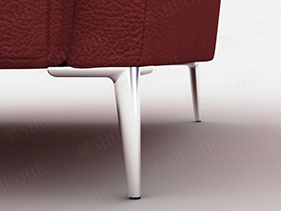 Sofa Legs


