When you're picking out furniture, honestly, design and how practical it is really matter. You know, stainless steel legs for furniture instantly give a sleek, modern vibe and are super sturdy. They can totally boost the look of any piece, making them perfect for any contemporary space.
That said, not all stainless steel is created equal. The finish and overall quality can differ quite a bit. It's pretty important to know about the different grades out there — some lower-quality options might look okay at first but could rust or bend easily once you start using them.
Also, pay attention to how they’re made. Some brands cut corners just to save a buck, which can seriously affect durability. Do a little digging—check out reviews, testimonials, and find brands that actually care about quality and craftsmanship. Picking the right stainless steel legs isn’t just about how they look; a bit of research goes a long way in making sure you get something that lasts and performs well. So yeah, these legs can totally upgrade your decor, but a little careful thought is key to getting the best ones.

Understanding the Types of Stainless Steel for Furniture Legs
When selecting Stainless Steel Furniture Legs, understanding the types of stainless steel is crucial. Stainless steel primarily comes in grades like 304 and 316. Grade 304 is suitable for indoor furniture. It offers good corrosion resistance and strength, making it ideal for tables and chairs.
On the other hand, grade 316 is better for outdoor furniture due to its increased resistance to corrosion caused by harsh weather. Choosing the wrong grade might lead to issues like rusting or reduced durability. It's essential to consider where the furniture will be used.
Additionally, the finish of the stainless steel affects not just appearance but also resistance to scratches. A brushed finish might hide fingerprints well, while a polished finish could enhance visual appeal. Sometimes, this choice can feel overwhelming, as both options have their pros and cons. It's worth contemplating the balance between style and practicality when choosing Stainless Steel Furniture Legs.
Types of Stainless Steel Used for Furniture Legs
Evaluating the Strength and Durability of Stainless Steel Legs
When selecting stainless steel legs for furniture, strength and durability are paramount. Steel varies in grade and thickness, influencing its load-bearing capacity. Generally, higher-grade stainless steel offers better resistance to corrosion and wear. Look for legs that can support the specific weight of your furniture pieces. This is essential for maintaining stability and safety.
Tips: Test the legs before finalizing your choice. Apply weight to see how they respond. Observing any signs of bending or weakness can help prevent future issues. Additionally, consider the environment where the furniture will be placed. Humid areas may require specific finishes to combat rust.
Understanding design is also important. Sleek, minimalist legs may look appealing but might sacrifice strength. Look for a balance between aesthetics and functionality. Rethink your choices if the legs do not feel robust. A visually pleasing design should not compromise overall durability. Ensure that you are confident about your selection to avoid disappointment later.
Choosing the Right Style for Your Furniture Design
Choosing the right style for your furniture design is crucial in creating a cohesive look. Stainless steel legs are a great option due to their versatility and durability. They provide a modern touch and enhance the aesthetic appeal of your furniture. According to a recent industry report, 70% of designers prefer stainless steel for its sleek finish and ability to complement various materials. This makes it an ideal choice for minimalist and contemporary designs.
When selecting stainless steel legs, consider the overall theme of your space. Whether it’s industrial, modern, or rustic, the legs should harmonize with the furniture. For instance, in an industrial setting, rugged stainless steel legs can add an edgy feel. In contrast, smooth, polished legs work well in modern spaces, creating a clean, streamlined effect. China Stainless Steel Legs For Furniture are particularly notable for their craftsmanship and range of styles, offering options that can suit diverse design preferences.
It's also important to reflect on how the legs' height and design impact functionality. Aesthetic appeal shouldn't compromise comfort and usability. For example, dining Table Legs should allow for adequate space when seated. Subpar leg designs might lead to stability issues, affecting usability. Ensuring that the leg style aligns with the intended use is vital for lasting satisfaction with your furniture.
How to Choose Stainless Steel Legs For Furniture? - Choosing the Right Style for Your Furniture Design
| Style | Height (inches) | Weight Capacity (lbs) | Finish | Application |
| Straight | 30 | 300 | Brushed | Dining Tables |
| Angled | 18 | 250 | Polished | Coffee Tables |
| Hairpin | 28 | 200 | Matte | Benches |
| Tapered | 32 | 350 | Brushed | Desks |
| Block | 15 | 150 | Polished | Side Tables |
Considering the Finish: Polished vs. Brushed Stainless Steel
When selecting stainless steel legs for furniture, finish matters significantly. Polished stainless steel offers a sleek, reflective surface. This finish can provide a modern aesthetic and make spaces feel more open. However, it requires regular maintenance to keep its shine. Fingerprints and smudges can quickly detract from its appeal.
On the other hand, brushed stainless steel presents a softer finish. It features a textured surface that can effectively hide minor scratches and imperfections. This makes it a practical choice for busy households. The muted appearance of brushed stainless steel can blend seamlessly with various decor styles. Yet, it might not offer the same level of sophistication as polished steel.
In considering these finishes, reflect on your lifestyle and how often you will clean the furniture. If you prefer low-maintenance options, brushed stainless steel may be ideal. However, if you treasure the elegance of polished surfaces, be prepared for the upkeep. Exploring options like Wholesale Stainless Steel Legs For Furniture can help in finding the perfect match for your needs. Each finish has its pros and cons, and carefully weighing them will lead to informed decisions.
Assessing the Impact of Size and Height on Functionality
When selecting stainless steel legs for furniture, size and height play vital roles in functionality. The height of your furniture affects comfort and usability. For example, a dining table should heighten the dining experience, allowing easy access for all users. Consider the average height of your chairs. Choosing legs that are too short or too tall can lead to discomfort.
The overall size of the legs impacts stability and aesthetic appeal. Thicker legs provide strength but may overwhelm delicate designs. Alternatively, slender legs can lend a modern touch but may lack the sturdiness required for heavy furniture. Think about the visual balance when you assess size options.
Many overlook these nuances, risking unbalanced designs or uncomfortable usage. Reflect on your available space. Oversized furniture can dominate a small room, while tiny pieces can get lost. It’s crucial to harmonize size and height with your existing decor. Take time to visualize how different dimensions might change the room's atmosphere.
Exploring Corrosion Resistance and Maintenance Requirements
When choosing stainless steel legs for furniture, understanding corrosion resistance is key. Stainless steel is known for its durability and resistance to rust, but not all grades offer the same protection. For outdoor furniture, opt for marine-grade stainless steel, which withstands harsh conditions better than standard grades. Be aware that even stainless steel can corrode under certain conditions, such as exposure to salt or humidity.
Maintenance is crucial for keeping your furniture looking great. Regularly clean stainless steel legs with a mild soap solution. Avoid abrasive cleaners that could scratch the surface. If you notice any rust spots, gently remove them using a fine-grade polishing cloth. Remember, prevention is better than cure. Adding a protective sealant can enhance the durability of High-Quality Stainless Steel Legs For Furniture.
Tips: Consider using coasters or pads under furniture legs to prevent scratches. If you live in a coastal area, check for signs of corrosion frequently. For busy environments, install furniture made from high-quality materials to minimize maintenance needs. Regular upkeep ensures longevity and beauty for your furniture pieces.
Balancing Cost and Quality When Selecting Stainless Steel Legs
When selecting stainless steel legs for furniture, balancing cost and quality is crucial. The right choice can enhance durability, aesthetic appeal, and overall functionality. Research shows that stainless steel can last over 20 years with minimal maintenance. Conversely, lower-quality options may degrade within a few years.
Price is often an initial deciding factor. Quality stainless steel legs typically range from $75 to $200, depending on design and finish. More affordable options, while tempting, may lack durability. In fact, studies indicate that using cheaper materials can lead to increased replacement costs, negating any initial savings.
Inspecting the stainless steel grade is vital. For instance, 304 grade is commonly used for its corrosion resistance, ideal for various environments. In contrast, 201 grade, while cheaper, is less resistant. Choosing the right grade influences long-term performance. Consider how often the furniture will be exposed to moisture or harsh cleaning materials. A thoughtful selection can enhance longevity and maintain visual appeal over time. Quality should not be compromised for price, as it may lead to reflective regrets down the line.
FAQS
: The most common grades are 304 and 316. Grade 304 suits indoor furniture, while 316 is better for outdoor use.
The grade affects corrosion resistance. Choosing the wrong grade can lead to rust and reduced durability.
The finish impacts both appearance and scratch resistance. A brushed finish hides fingerprints, while polished looks shiny.
Quality stainless steel can last over 20 years with little care. Cheaper options often degrade within a few years.
Costs range from $75 to $200. Factors include design, finish, and the grade of the stainless steel used.
While tempting, cheaper grades may need replacing sooner. This can erase any initial savings, leading to regrets.
Factor in moisture and cleaning materials. More exposure may require higher-grade stainless steel for better performance.
Brushed finishes reduce visible fingerprints, while polished finishes enhance aesthetics. Each has its downsides in maintenance.
It’s often not worth it. Skimping on quality can lead to issues, requiring replacements and additional costs later on.
Reflect on where your furniture will be used. Prioritize durability and function to avoid future inconvenience.
Conclusion
When selecting stainless steel legs for furniture, it's essential to understand the different types available and evaluate their strength and durability. The right stainless steel legs can enhance both the aesthetics and functionality of your furniture pieces. Consider the overall design style to choose a leg style that complements your look, and decide between polished and brushed finishes based on your preference for shine versus texture.
Additionally, pay attention to the size and height of the legs, as these factors influence the usability of your furniture. Corrosion resistance is another critical aspect, ensuring longevity with minimal maintenance. Ultimately, balancing cost and quality is crucial when making your selection, as high-quality stainless steel legs for furniture can provide lasting support and style for your pieces.

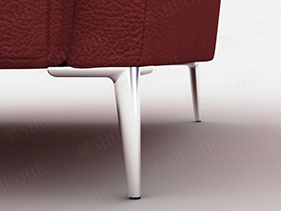 Sofa Legs


