
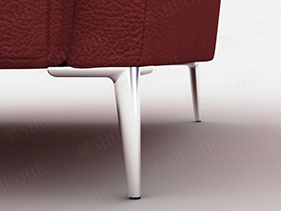
Lately, we've definitely seen a big jump in demand for Stainless Furniture Legs. It’s pretty interesting — the furniture accessory market has grown about 25%, mainly because people care more about both how things look and how practical they are. Big names like IKEA and Steelcase are now pulling stainless steel into their designs more than ever. This whole trend really shows that consumers are leaning towards durability combined with sleek, modern styles.
As our lifestyles change, so do our tastes — and stainless steel seems to hit that sweet spot of elegance and toughness. But, of course, it’s not perfect; some folks worry about issues like corrosion over time or the fact that some designs can get pretty heavy. Choosing the right balance between looking good and staying strong is sometimes a real headache for buyers. Plus, with more stainless steel furniture being used, there's also some concern about how sustainable this really is.
The industry’s definitely moving forward, but honestly, there are still manufacturers out there not pushing enough for innovative, fresh designs. If they want to stay competitive, they’ll need to pay attention to what consumers are really after — like making products that are not just pretty and durable, but also eco-friendly. Understanding these trends and challenges is super helpful for buyers around the globe trying to make smart choices about Stainless Furniture Legs, which are such a key part of modern furniture design.
As we approach 2026, the stainless furniture leg industry is witnessing innovative designs that blend functionality with aesthetic appeal. According to the latest market report by Grand View Research, the global furniture leg market is projected to reach $8.5 billion by 2026, driven by trends in minimalism and sustainable design. Emerging designs focus on sleek profiles and innovative materials that cater to modern consumer preferences.
One notable trend is the integration of adjustable features into stainless legs. This allows users to customize furniture height, responding to varied user needs. Furthermore, pop colors and unique finishes are gaining traction. These elements enable consumers to personalize their furniture pieces. However, manufacturers face challenges in sourcing sustainable materials that also meet quality standards. The balance between durability and environmental impact remains a critical consideration.
Distinct contours and geometric shapes are also trending. They provide not only stability but also a visual statement. Industry reports indicate that such designs can enhance the overall appeal of furniture. Yet, the complexity of producing these shapes can lead to higher costs. Manufacturers must carefully evaluate the cost-benefit ratio while developing these innovative legs. Experimenting with new designs can sometimes lead to unforeseen functional issues, necessitating continuous testing and feedback.
Sustainability in the furniture industry is becoming increasingly important, especially with stainless steel. Reports indicate that the demand for environmentally friendly materials is steadily rising. Consumers are looking for durable and sustainable options, particularly in products like Stainless Furniture Leg For Living Room. Stainless steel, known for its longevity, meets this demand effectively.
Global data shows that the stainless steel furniture market is projected to grow significantly. A recent study revealed that over 70% of industry professionals prioritize sustainability when sourcing materials. This trend reflects a broader commitment to reducing carbon footprints. However, the production of stainless steel does have its challenges. The extraction process can be energy-intensive, leading to environmental concerns that must be addressed.
Recycling has emerged as a key solution. Currently, around 90% of stainless steel can be recycled without losing quality. This process not only conserves resources but also reduces waste. Despite this, many manufacturers still grapple with finding a balance between cost, quality, and sustainability. The journey toward greener production practices is ongoing and requires thoughtful reflection within the industry.
The trend of colored and finish innovations in stainless Steel Furniture Legs is on the rise. According to a recent market report by Research and Markets, the demand for stainless steel furniture has grown by 15% annually. This growth reflects a shift in consumer preferences towards more versatile design options. Buyers are increasingly interested in unique finishes, not just traditional stainless steel. They are looking for colors like matte black, gold, and even custom hues.
Many manufacturers are experimenting with electroplating and powder coating techniques. These methods enhance durability while providing stunning visual appeal. For instance, furniture legs designed for coffee tables now feature colors that complement modern interiors. The rise of sustainable design also influences this trend, as more buyers seek eco-friendly finishes. Nonetheless, not all products meet the expected quality standards. Some finishes may wear off more quickly than advertised, highlighting the need for cautious evaluation.
In an industry where aesthetic appeal greatly affects purchase decisions, customers must consider both looks and longevity. Stainless furniture leg options for a coffee table are plentiful, but the choice should align with lifestyle and usage. Understanding the balance between innovation and practicality is crucial for global buyers navigating this evolving market landscape. It's essential to research and choose wisely, ensuring that choices reflect both personal style and long-term value.
This chart illustrates the growing trends in color and finish innovations for stainless steel furniture legs, featuring the percentage of preference among global buyers for various colors and finishes in 2026.
In 2026, the demand for adjustable and versatile stainless furniture leg designs is on the rise. These features enhance functionality and accommodate diverse needs. Buyers are increasingly prioritizing adaptability in furniture. Legs that adjust in height can fit various settings. They provide flexibility from dining to workspace.
Consider the importance of material quality. Stainless steel ensures durability while maintaining a sleek appearance. Users can expect resistance to rust and easy maintenance. Moreover, adjusTable Legs can transform the look of furniture. A single piece can serve multiple purposes. However, balance is crucial. Overly complex designs may lead to instability.
Tips: Always assess the weight capacity of adjustable legs. Ensure they can support your furniture without compromise. When selecting designs, consider how they complement existing décor. The right leg design can enhance aesthetics significantly. Don’t hesitate to experiment with different heights and styles.
Customization is becoming crucial for global buyers seeking unique furniture legs. Today's consumers desire pieces that reflect their personal style and fit their interior design seamlessly. Stainless furniture legs for dining tables can be tailored in a variety of heights, finishes, and styles. This flexibility helps buyers create a cohesive look that enhances their dining experience.
The trend towards customization may feel overwhelming. With so many choices, some buyers might struggle to define their preferences. Important considerations include the material quality and design compatibility with existing furniture. Stainless furniture legs can bring a modern touch to traditional settings or a sleek look to contemporary spaces. Exploring different configurations can inspire creativity but also pose challenges in decision-making.
Sustainability is another significant factor in customization. Buyers increasingly prioritize eco-friendly materials and processes. However, sourcing sustainable options can be complex. Stainless steel is renowned for its durability, but ensuring the materials are sourced responsibly requires vigilance. Buyers must reflect on these aspects to make informed choices. Embracing customization means navigating this evolving landscape thoughtfully while balancing style and responsibility.
As global buyers seek innovative designs, sourcing stainless furniture legs becomes crucial. In 2026, numerous markets will provide exceptional options. Among these, China stands out for its competitive pricing and diverse styles. The stainless furniture leg production in China boasts impressive craftsmanship.
Quality varies greatly. Some manufacturers focus on form, while others prioritize function. Buyers must conduct thorough research to distinguish between high-quality and subpar products. Visiting trade shows can offer insights into emerging trends. Engaging with suppliers directly enhances understanding of their offerings.
Online platforms are another valuable resource. They showcase various stainless furniture leg designs. However, buyers should verify the suppliers' credibility. Look for reviews and testimonials. The pursuit of the perfect piece can be daunting. It requires patience and keen observation to navigate this evolving marketplace effectively.
The design landscape for stainless furniture legs is evolving rapidly. Buyers are influenced by global trends that push for sustainability and minimalism. These shifts are manifesting in sleek, streamlined designs that prioritize both form and function. Many buyers now seek legs that not only support but also enhance the aesthetic of their furniture. The choice of stainless steel adds a modern touch, reflecting a preference for durable and easy-to-maintain materials.
Sustainable practices are becoming crucial in design. Trends highlight the use of recycled materials and energy-efficient production methods. While this is commendable, some manufacturers struggle to balance quality with eco-friendliness. The challenge lies in sourcing responsibly without compromising on aesthetics or performance. Buyers may face difficulties in identifying manufacturers who truly adhere to these principles.
Reflecting on consumer choices is essential. Many consumers are drawn to trendy designs, yet they may overlook functionality. Easy-to-install and adjustable legs can enhance usability, but they often go unnoticed in the frenzy of style. Understanding the real impact of these choices can lead to smarter purchases. Buyers should consider whether a trend aligns with their long-term needs, ensuring that style does not overshadow practicality.
: There’s a rise in colored finishes. Consumers prefer unique options over traditional stainless steel.
Electroplating and powder coating enhance durability and visual appeal. These techniques allow for diverse color options.
Many buyers seek eco-friendly finishes. However, not all products meet quality standards, which can be frustrating.
Aesthetic appeal and longevity are essential. Think about how the legs will fit your lifestyle and usage.
Custom options allow buyers to reflect their style. However, too many choices can make decision-making challenging.
Quality and sustainability are key. Ensure materials are responsibly sourced for long-term value.
Markets like China offer diverse styles. However, quality varies, and research is needed to find reliable options.
They provide insights into trends and allow direct supplier engagement. This can enhance understanding of products.
They display various designs but require careful supplier verification. Look for credible reviews to ensure quality.
Balancing style and practicality can be tough. Buyers may need to reflect more on their preferences and needs.
The article "2026 Top Stainless Furniture Leg Trends for Global Buyers" explores the future of stainless furniture leg designs, highlighting emerging styles that prioritize sustainability and innovation. As the demand for eco-friendly solutions grows, designers are increasingly incorporating sustainable practices into the creation of stainless furniture legs. Innovative color and finish options are also gaining popularity, allowing for greater customization to meet diverse consumer preferences.
Additionally, functional features such as adjustable and versatile leg designs are becoming essential in catering to the evolving needs of buyers. Market insights reveal key sourcing opportunities for stainless furniture legs in 2026, while global design trends continue to influence aesthetics and functionality in this sector. Overall, the article underscores the dynamic landscape of stainless furniture leg design, set to capture the attention of global buyers looking for both style and practicality.
