
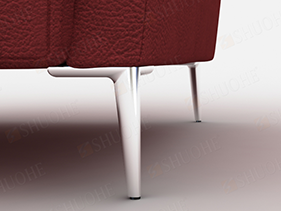
How to Choose Sofa Hardware Material in 2026?
When it comes to picking the right Sofa Hardware Material in 2026, honestly, it's about way more than just matching the metal finish to your upholstery. I mean, think about it—hardware carries the weight, absorbs movement, and really shapes how someone experiences the sofa every day. A loose hinge on a recliner? That can destroy a customer's confidence in no time. And a sharp-edged connector? It might snag the fabric during assembly, which is a total pain. So yeah, the small parts matter a lot. So, according to Grand View Research, the global furniture market is set to keep growing steadily all the way to 2030. What's driving that? Well, replacement demand, online shopping, and folks wanting nicer designs. Their findings show that competition is getting tougher—on durability, looks, and how efficiently you can produce stuff. Meanwhile, the Ellen MacArthur Foundation keeps pushing for products that are easy to repair and for using materials longer. So with all that pressure, manufacturers are having to rethink how they choose materials—from steel and aluminum to zinc alloy, brass, and engineered polymers. Honestly, finding the perfect material is rarely a slam dunk. Chris Lefteri—you know, the materials consultant and author—put it well: “Materials communicate before words do.” That rings so true when you're building a sofa. Take brushed steel: it just feels strong, doesn't it? Warm brass adds that crafted, almost artisanal touch. And recycled aluminum? That's your pick if you want to tell a lighter, more circular story. But hey, looks aren't everything. When you're picking out furniture, you've got to dig deeper—check things like load ratings, how it holds up against corrosion, the hardness of the surface, machining tolerances, and whether the supplier is consistent. For commercial setups, BIFMA standards are a solid way to make sure the structure is up to snuff. But for residential stuff? You still need to test it practically—open and close those drawers, slide that door, recline that chair over and over to see if it holds up. Honestly, the priciest material isn't always the best pick. What really matters is how it fits your specific setup—the frame, the climate you're dealing with, your upholstery, how you're putting it together, and even how you'll repair it down the road. Sometimes you test something and realize, 'nope, that's not working,' so you have to rethink it. Totally normal, by the way. So, this guide is basically your go-to for comparing sofa hardware materials in 2026, but it's not just about specs—it's about what actually works in practice, what we've seen on the factory floor, and making choices you can feel good about sourcing responsibly.
Read more »