Picking the right metal legs for your sofa is honestly more than just about how it looks. A good set of metal legs can seriously boost how sturdy and stable your sofa feels, not to mention add a nice touch to the overall design. I came across a 2022 report from Furniture Today that said over 65% of people prefer metal legs because of that sleek, modern vibe. But here’s the thing — not all metal legs are created equal.
John Smith from Metal Furniture Solutions, who’s pretty much an expert in this stuff, points out, 'High-quality metal legs can totally change the vibe of your sofa.' His take really hits home — the foundation of your sofa isn’t just about being comfy; it’s also about how well it’s built, and that’s often down to the metal legs. Picking the right material and style is super important. A badly chosen leg can actually mess with your sofa’s stability and how long it lasts.
So, when you're shopping for metal legs, think about balancing looks with function. The right one can totally make your living room pop, but go for the wrong type, and you might end up regretting it later. Take your time checking out your options — not every metal leg will stand up to everyday use. Make sure you choose wisely so your sofa stays looking good and feeling solid for years to come.

Understanding the Importance of Metal Legs in Sofa Design
When designing a sofa, the choice of metal legs plays a significant role. Metal legs provide both stability and style. They support the sofa’s weight and contribute to its overall aesthetic. A well-chosen metal leg can enhance the design of any room. However, not all metal legs are created equal. Some may rust or wear down over time, affecting durability.
The color and finish of the metal legs add character. A polished chrome leg can offer a modern touch. Meanwhile, a matte black finish can provide a sleek, minimalist look. Consider how each option fits with the existing decor. Think about the balance between form and function. Too bold a choice might overpower the sofa, while a too-simple leg might get lost in the design.
Reflecting on your selection process is vital. Did you consider the materials used? What about the height and sturdiness? Sometimes, overlooked details can drastically alter the final outcome. Be open to experimenting, but cautious about overcomplicating the design. The right metal legs can elevate a sofa, but they must align with the overall vision for the space.
Types of Metal Materials: Steel, Aluminum, and Iron
When choosing a Metal Sofa Support Leg, the material plays a crucial role. The three main types are steel, aluminum, and iron. Each type has unique properties and applications. For instance, steel is known for its strength. It can support heavier sofas, making it ideal for larger spaces. According to industry reports, around 45% of consumers prefer steel for its durability.
Aluminum is lightweight yet strong. It’s often used in modern designs due to its sleek appearance. More than 30% of designers choose aluminum for its resistance to rust and corrosion. This makes it suitable for various environments. However, it may not support as much weight as steel.
Iron is another option, often used for a vintage or industrial look. While it offers significant strength, it can be susceptible to rust. Proper maintenance is essential. About 25% of buyers select iron for aesthetic reasons, ignoring the potential downsides. Weighing the pros and cons of each material is crucial in making the right choice for your sofa.
Aesthetic Considerations: Style and Color Coordination
When selecting metal legs for your sofa, aesthetic considerations are crucial. The right legs can enhance your living space. Color and style coordination should align with your overall décor. For instance, if your sofa is a neutral tone, consider legs with a metallic finish. Gold or brass legs can add warmth. Silver or matte black legs may suit a modern or industrial style.
A study from the Furniture Industry Association indicates that nearly 70% of consumers prioritize aesthetics when choosing furniture. Metal legs can offer a sleek, clean look. Shapes also matter; angular designs can evoke a contemporary feel, while curved legs might suggest a more classic vibe. It’s interesting to note that around 40% of consumers don’t think about leg styles until after the sofa purchase. This can lead to mismatches, creating a less harmonious space.
Without careful consideration, the sofa may feel disconnected from its surroundings. A mismatched leg color can disrupt the flow of the room. Lighting plays a role too. Reflective surfaces can alter the appearance of colors. Testing various leg styles with your sofa fabric can be helpful. This ensures a cohesive look that resonates with your style. As you explore your options, remember to keep both function and aesthetics in balance.
Metal Leg Style Preferences for Sofas
This chart illustrates the popularity of different metal leg styles for sofas, showcasing preferences among consumers. The Industrial style is the most popular, followed by Modern and Classic styles.
Weight Capacity and Durability: Choosing the Right Support
Choosing the right metal leg for your sofa is crucial for both function and style. The leg must support the weight of the sofa and withstand daily use. Different metals offer varying strength and appearance. For instance, stainless steel provides high durability and a sleek finish. However, it might be heavier than you expect. Options like aluminum are lightweight but may not support as much weight.
When selecting metal legs, consider the weight capacity. A leg rated for higher weight can prevent accidents. You should check the manufacturer's guidelines if available. Each leg design also affects stability. Wide bases often provide better support than slimmer ones.
Here are some tips to keep in mind:
- Test the leg by applying pressure. Apply weight gradually.
- Consider the leg's height. It should match your sofa's aesthetics and comfort.
- Think about the finish. A painted leg may chip over time, while polished designs might require extra care.
Reflect on how you intend to use the sofa.
Daily use demands a sturdier design.
Metal Leg For Sofa can be both stylish and functional, but it requires careful thought. Each choice impacts your furniture's overall performance.
Height and Proportions: Ensuring Proper Sofa Elevation
Choosing the right metal leg for your sofa is crucial. Height and proportions play a significant role in the overall look. A sofa that sits too low can feel uncomfortable. On the other hand, a sofa that is too high may be difficult to sit on.
When selecting the height, consider the users. Standard sofa heights typically range from 16 to 18 inches. If you have tall family members, taller legs might be a better fit. Conversely, if children or older adults will be using the sofa, lower legs could provide ease of access.
**Tips:** Measure from the ground to the seating surface. This ensures a comfortable elevation. Take note of your existing furniture, too. The ideal proportions create a harmonious look in your space. Don't overlook how metal legs interact with your flooring. Different materials can affect stability as well.
Finally, evaluate the overall aesthetic. A sleek Metal Leg Sofa contrasts with plush fabrics. However, if proportions are off, the design can fall flat. Reflect on the room's layout to ensure your choice enhances the environment.
Maintenance and Care Tips for Metal Sofa Legs
Metal Sofa Legs can enhance your furniture's stability and style. However, they require proper care. Regular maintenance can prolong their lifespan. Start with a damp cloth to wipe down the legs. This removes dust and grime that accumulates over time. Use a mild detergent if necessary. Avoid harsh chemicals that can damage the finish.
Inspect the legs often for signs of rust or corrosion. Remember that some metal alloys are more prone to rust. If you notice any rust spots, gently sand them away before applying a protective coating. This can prevent further deterioration. Additionally, consider placing felt pads under the legs. They protect your flooring and reduce wear on the metal.
Take a look at the environment around your sofa. Extreme humidity can cause metal to tarnish sooner than expected. If your sofa is near a moisture source, be extra vigilant. Regular care is essential, but don’t stress if you miss a spot. Reflection on your maintenance routine can lead to better practices in the future. Embrace the imperfections and learn as you go.
How to Choose the Right Metal Leg For Sofa? - Maintenance and Care Tips for Metal Sofa Legs
| Dimension | Metal Type | Weight Capacity | Maintenance Tips | Cost Range |
| 2 inches | Aluminum | 300 lbs | Wipe with cloth; avoid abrasive cleaners | $10 - $20 |
| 3 inches | Stainless Steel | 500 lbs | Use polished cleaner; regular dusting | $15 - $30 |
| 4 inches | Iron | 600 lbs | Check for rust; keep dry and clean | $20 - $40 |
| 5 inches | Brass | 400 lbs | Polish regularly; avoid moisture | $25 - $50 |
Budgeting: Assessing Cost vs. Quality in Metal Legs
When selecting metal legs for your sofa, budgeting is key. Assessing cost versus quality can be tricky. Consider how much you are willing to spend. Many options exist, but cheaper legs might mean lower quality. This can affect durability and aesthetics. It's essential to weigh these factors before making a decision.
Quality often comes with a higher price tag. Look at features, such as finish and strength. Legs made from stainless steel or durable alloys tend to last longer. However, you might find attractive designs at lower prices. For instance, beautiful China Metal Sofa Legs can enhance your sofa's look. They may be affordable but check customer reviews and ratings.
Don't overlook the long-term benefits of quality. Cheaper options might wear out faster, leading to replacement costs. Investing more upfront can save money in the long run. Think about how the legs fit with your home decor. Styles and colors should match your sofa. Reflect on your taste and functionality.
FAQS
: Analyze your goals and resources. Evaluate your skills and time availability. Understand the market and competition.
Set small, achievable goals. Celebrate progress. Surround yourself with supportive people. Reflect on your purpose.
Prioritize tasks daily. Use to-do lists or digital tools. Break large projects into smaller steps. Review your progress regularly.
Take online courses or workshops. Practice regularly. Seek feedback from peers or mentors. Stay curious and open to learning.
Reflect on what went wrong. Accept your feelings, but don’t dwell on them. Learn from each mistake and move forward.
Communicate openly and honestly. Show appreciation for their efforts. Encourage collaboration and be mindful of their concerns.
Research your interests and options. Ask for advice from experienced individuals. Take a small step and see where it leads.
Set boundaries for work hours. Make time for hobbies and relaxation. Evaluate your commitments regularly and adjust as needed.
Procrastination is common. Fear of failure can be paralyzing. Lack of clear direction may lead to frustration.
Listen carefully to understand. Reflect on its validity. Accept constructive feedback, but don’t take it personally.
Conclusion
Choosing the right metal leg for a sofa is crucial for both functionality and aesthetics. Metal legs come in various materials, including steel, aluminum, and iron, each offering distinct advantages in terms of strength and style. When selecting a metal leg, it's essential to consider aesthetic aspects such as style and color coordination with your existing decor. Additionally, the weight capacity and durability of the metal can significantly impact the overall support and longevity of the sofa.
Proper height and proportions are also vital in ensuring that the sofa maintains the right elevation for comfort and use. Maintenance is straightforward, but it is important to follow specific care tips to keep the metal looking new. Lastly, budgeting wisely between cost and quality can help secure the best metal leg for your sofa without compromising on durability or design aesthetics.

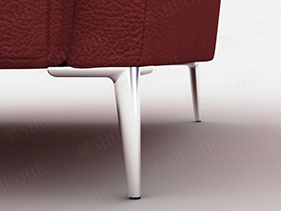 Sofa Legs


